
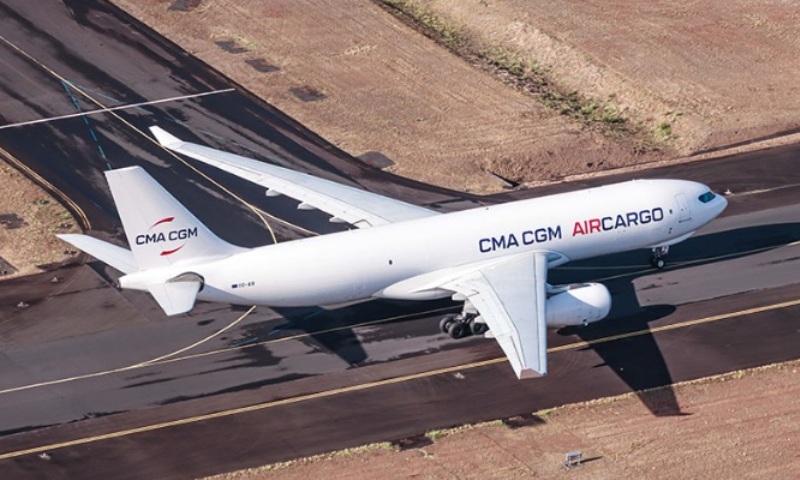
CMA CGM Air Cargo has joined the BARIG Air Cargo Community, strengthening its engagement with Germany’s air cargo industry and expanding cooperation with other aviation and logistics stakeholders.
The membership brings CMA CGM Air Cargo into a platform that connects airlines, airports, logistics companies and other participants in the German air transport sector. The community provides opportunities for members to exchange industry expertise and address issues affecting air cargo operations.
CMA CGM Air Cargo has been expanding its international air freight network as part of the CMA CGM Group’s broader logistics offering. Its participation in BARIG is expected to support closer dialogue on developments affecting the air cargo sector, including infrastructure, operational efficiency and industry standards.
The move also reflects the growing importance of collaboration between airlines, freight forwarders, airports and logistics providers as global supply chains become more complex.
Through its BARIG membership, CMA CGM Air Cargo will have greater opportunities to engage with industry stakeholders in Germany and contribute to discussions on the future development of air freight services.
The partnership comes as the air cargo sector continues to adapt to changing trade flows, capacity requirements and demand for integrated logistics solutions.