
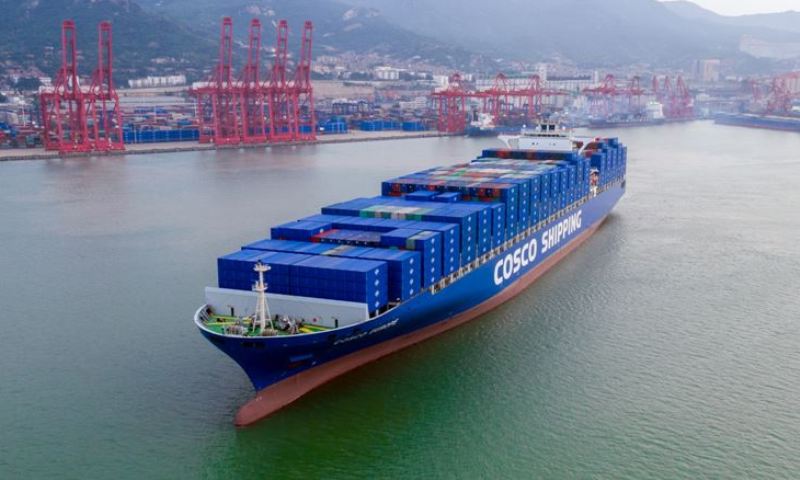
COSCO Shipping has joined a Mediterranean–Canada container service, expanding its network coverage and strengthening connections between Mediterranean markets and Canada.
The move will provide COSCO customers with an additional shipping option for moving containerised cargo between key ports in the Mediterranean and Canadian gateways. The service is expected to support trade flows involving Europe, North Africa and Canada.
The Mediterranean is an important hub for container traffic linking Europe with markets across the Middle East, Africa and the Americas. Adding COSCO to the service could provide shippers with greater network flexibility and access to additional capacity.
Canada’s container trade continues to be supported by demand for consumer goods, industrial products, machinery and other cargo. Mediterranean ports also handle significant volumes of manufactured goods, agricultural products and other commodities moving to North American markets.
COSCO’s participation is part of the carrier’s broader efforts to strengthen its international network and provide customers with wider port coverage. Additional service participation can also help shipping lines optimise vessel utilisation and respond to changing cargo demand.
For shippers, improved connectivity between Mediterranean and Canadian ports could offer greater choice in routing and help support more efficient supply-chain planning. The service may also benefit exporters and importers seeking direct or streamlined maritime links between the two regions.
The development highlights continued adjustments by global container carriers as they reshape networks in response to evolving trade patterns, vessel capacity and customer requirements. COSCO’s entry is expected to strengthen competition and connectivity on the Mediterranean–Canada trade lane.