
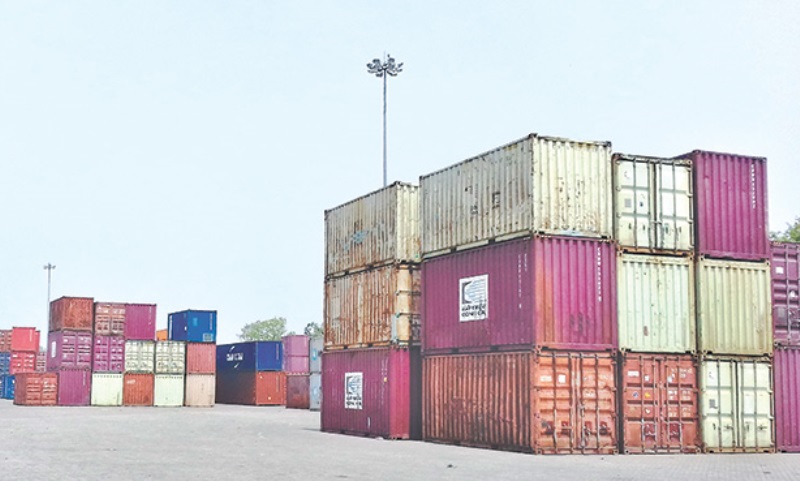
Nepal has taken a big step in trade logistics as tank containers carrying crude oil arrived at Birgunj Dry Port for the first time. This change will lower costs and make imports more efficient.
A shipment of 90 tank containers with 20,000 tonnes of crude soybean oil entered Nepal via Birgunj Dry Port on Sunday. The Nepal Intermodal Transport Development Board (NITDB) announced this on Tuesday. The shipment, bought by Shivashakti Pvt. Ltd., a cooking oil company in Jitpur, Bara, was transported from Argentina via Haldia Port, India.
Lower Costs and Better Transport
Using rail for oil transport will cut costs by 15% compared to road transport, said company officials. Before this, crude oil came only by road, which was expensive and unreliable due to tanker shortages.
Birgunj Dry Port has been running since 2004, handling containers, bulk, and breakbulk cargo. Since July 1, 2023, it also manages coal and other loose cargo. Now, crude oil imports by rail will help expand trade at the Birgunj border.
Safe and Efficient Transport
Tank containers have a sealed system, which stops theft and leakage, making imports safer and more efficient. Rail transport also reduces dependence on road tankers, ensuring a steady supply of oil to Nepal.
Ashish Gajurel, NITDB’s Executive Director, said this move will modernize Nepal’s trade. “We added coal last year, and now crude oil imports. We keep improving our ports to handle more cargo and operate efficiently,” he said.