
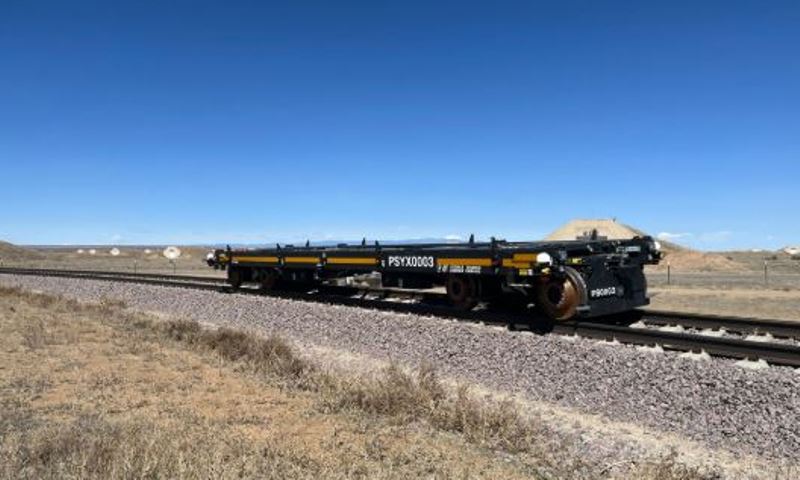
Driverless freight trains are emerging as a potential new tool for port logistics, with autonomous rail technology offering opportunities to improve cargo movement, efficiency and safety at major maritime gateways.
Autonomous trains can transport containers and bulk cargo between terminals, inland depots, warehouses and other port facilities with limited human intervention. The technology can support round-the-clock operations while helping ports manage growing cargo volumes.
For container terminals, driverless trains could improve coordination between quayside operations and inland rail networks. Automated scheduling and real-time monitoring can also help reduce idle time and improve the utilisation of rail infrastructure.
The technology could be particularly useful for repetitive freight movements within large ports and industrial complexes. By automating predictable routes, operators can potentially reduce operating costs and minimise delays caused by manual processes.
Safety is another potential benefit, as autonomous systems use sensors, positioning technology and automated control systems to monitor tracks, obstacles and train movements. Integration with terminal operating systems could further improve coordination between rail, yard and vessel operations.
However, widespread adoption will require significant investment in rail infrastructure, signalling, communications and safety systems. Regulatory frameworks and interoperability with conventional rail operations will also need to be addressed.
As ports pursue greater automation and digitalisation, driverless freight trains could become an important component of future smart-port ecosystems, helping connect ships, terminals and inland logistics networks more efficiently.