
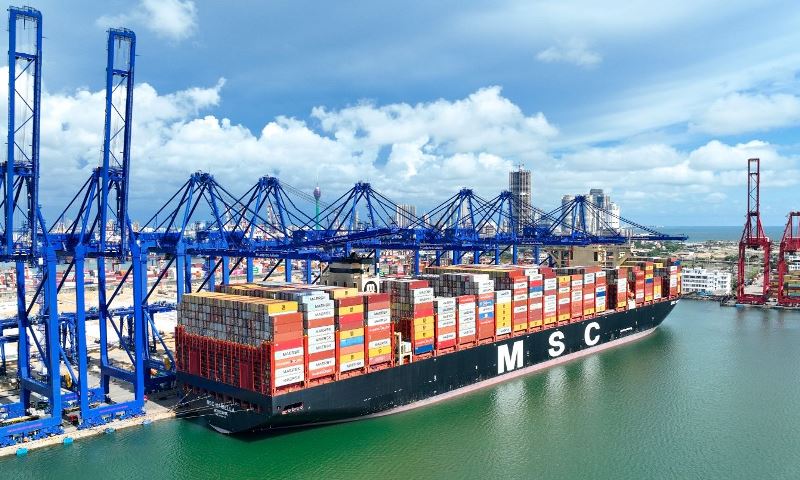
Ports across the Indian subcontinent are seeing increased activity as ongoing geopolitical disruptions reshape global shipping routes, cargo flows and vessel deployment patterns.
Changes in traditional shipping routes have encouraged carriers and cargo owners to explore alternative gateways in the region. This has created opportunities for ports in India and neighbouring countries to handle additional transshipment, feeder and gateway cargo.
Indian ports, in particular, are benefiting from their location along major east–west trade routes and their expanding container-handling capacity. Increased connectivity and investment in deep-water terminals are helping the region capture cargo that might otherwise move through traditional hubs.
Geopolitical uncertainty has also encouraged shipping lines to adjust vessel schedules and routing strategies. Longer voyages, congestion at selected gateways and changes in network configurations are influencing where carriers deploy capacity.
The shift is creating opportunities for regional ports to attract new services and strengthen their role in international supply chains. Transshipment hubs could see further gains if carriers continue to diversify routes and reduce dependence on heavily disrupted corridors.
However, the benefits are accompanied by operational challenges. Changes in shipping patterns can result in volatile freight rates, equipment imbalances and fluctuating port volumes.
If geopolitical disruptions persist, subcontinent ports could play a larger role in regional and global trade networks, strengthening their position as alternative gateways and transshipment centres.