
The rapid growth of cross-border e-commerce is reshaping global air cargo networks, prompting airlines, freight forwarders and logistics providers to adjust capacity, routes and operating models to meet changing shipment patterns.
The expansion of online retail has created strong demand for fast international delivery, particularly for small parcels and time-sensitive consumer goods. Unlike traditional cargo flows, e-commerce shipments are often fragmented into large numbers of individual packages, requiring specialised handling and efficient last-mile connections.
Air cargo operators are responding by developing more direct connections between major e-commerce production centres and consumer markets. Asia remains a particularly important hub, with manufacturing and fulfilment activity generating significant volumes of cross-border shipments destined for Europe, North America, the Middle East and other regions.
The growth of e-commerce is also changing the role of airports. Cargo gateways are investing in automated sorting, dedicated e-commerce facilities and digital tracking systems to process higher volumes of smaller shipments efficiently. Greater integration between airlines, freight forwarders, customs authorities and logistics companies is becoming increasingly important.
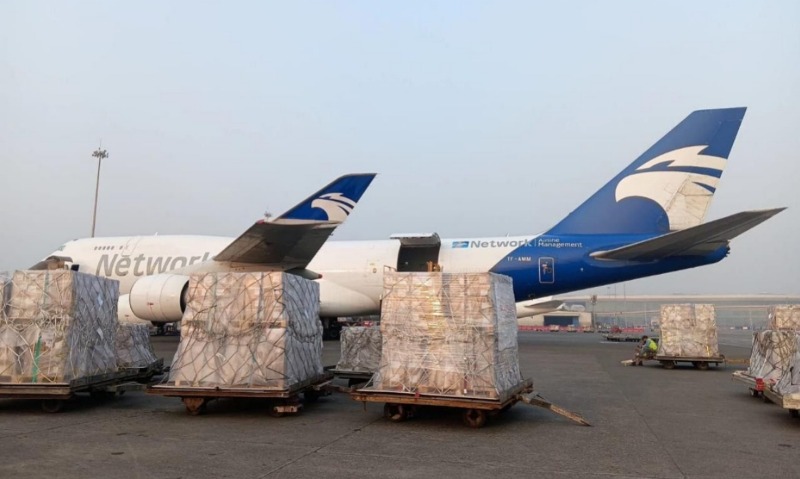
Freighter operations are also adapting to the changing demand profile. Airlines are deploying dedicated cargo aircraft and adjusting schedules to provide greater frequency and faster transit times on key e-commerce corridors. Some operators are also establishing new regional hubs to consolidate shipments before forwarding them to final destinations.
The shift is creating opportunities for both established cargo carriers and newer logistics operators. However, the sector also faces challenges, including fluctuating demand, airfreight capacity constraints, customs requirements and pressure to control delivery costs.
As cross-border online shopping continues to expand, e-commerce is expected to remain a major force influencing the development of global air cargo networks. The ability to provide flexible capacity, rapid processing and reliable end-to-end delivery will increasingly determine how airlines and logistics providers compete in the international airfreight market.