
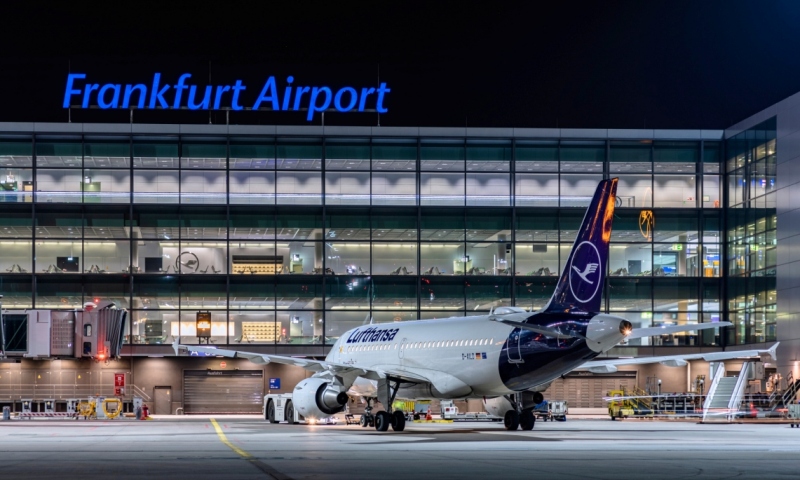
Cargo volumes at major European air and logistics hubs posted solid growth in the latest reporting period, with Frankfurt Airport reclaiming its position as Europe’s leading cargo gateway.
According to recent data, Frankfurt’s total cargo throughput — which includes airmail and airfreight — rose to around 2.07 million metric tons in 2025, marking a year-on-year increase of approximately 1.1 %. This uptick helped the German hub regain the top spot among European airports handling air cargo after competitors had previously edged ahead.
Industry observers say that growth was supported by strong intercontinental demand — particularly on routes between Europe and Asia — and by carriers optimizing network capacity through expanded long-haul links. Despite broader market challenges, including fluctuating trade flows and evolving logistics patterns, Frankfurt’s robust connectivity and integrated freight services helped it remain competitive in the region’s cargo landscape.
The resurgence at Frankfurt reflects broader trends in European air cargo, where hubs are adapting to shifting supply chain needs, including increased e-commerce shipments and pharmaceutical freight demand. Smaller specialist airports are also gaining share in certain segments, pointing to a diversifying European cargo market.
Overall, the rise in European cargo volumes underscores a resilient trade environment, even as global uncertainties persist and airlines and airports continue to adjust operations to meet dynamic freight demand.