
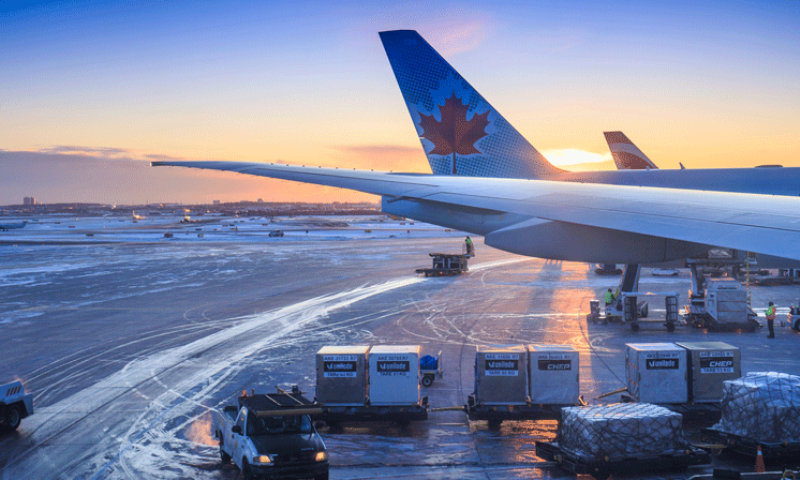
Air Canada Cargo posted a 4% increase in revenues for 2025, driven by steady demand across key domestic and international air freight routes, the company said. The growth reflects strong performance in both express and standard cargo services, as well as improved network efficiency and operational resilience.
Executives highlighted that robust demand for e‑commerce shipments and temperature- sensitive cargo, including pharmaceuticals, contributed to higher yields. The airline’s investments in digital booking platforms and tracking tools also helped streamline cargo handling and improve customer experience.
Air Canada Cargo operates a mix of dedicated freighters and bellyhold capacity on passenger flights, enabling flexibility in servicing both domestic and global trade lanes. Management noted that careful capacity management and collaboration with logistics partners were key factors in sustaining growth amid competitive pressures.
Industry analysts said the 4% revenue increase demonstrates resilience in North American air cargo markets, even as global freight volumes experience fluctuations due to economic cycles and supply chain adjustments. Air Canada Cargo’s focus on reliability and service quality positions it to continue capitalizing on emerging freight opportunities in 2026.
The company reaffirmed plans to further enhance its cargo infrastructure, including fleet upgrades and expanded handling capabilities at major hubs, to support anticipated demand growth in the coming years.