
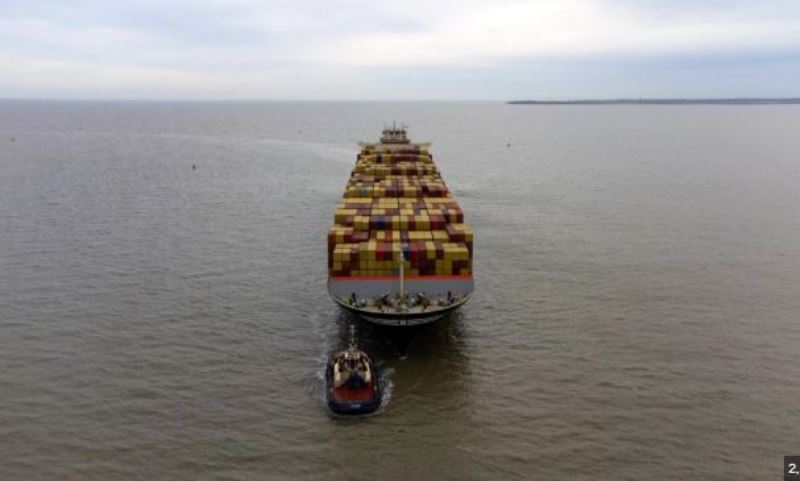
By establishing tax parity between domestic-flagged ships and those registered overseas, the shipping ministry has aimed to lower tariffs and taxes on domestic-flagged ships. According to officials, a proposal for tax parity will be sent shortly once the matter is addressed with the finance ministry. According to a top official, a committee is evaluating the taxation issues raised by the Indian shippers and ship owners.
India’s shipping fleet comprises 1,552 domestic-flagged vessels, including Indian controlled tonnage, with a total of 13.65 million gross tonnage. Sector watchers said while these ships are flagged in India, they face around 20% higher costs compared with foreign vessels due to domestic levies. This puts pressure on their margins since most tenders in the maritime business are open for global competition. “The GIFT City (in Gujarat) provides a very attractive ecosystem for owning ships in India where there is a 10-year corporate tax holiday, no integrated goods and services tax (IGST) on import of ships, no GST on maintenance, repair and operation services,” the official added.
The proposed tax tweaks will supplement India’s new plan to promote domestically-flagged ships after an existing scheme may miss its targets for the sector, hindering the government’s aim to become a key player in global maritime trade. Domestic shipping industry representatives allege discrimination against them has compromised their viability.
This is on account of IGST on Indian companies importing ships, blocked GST tax credits and discriminatory GST on Indian vessels providing services between two Indian ports of which do not apply to foreign ships providing similar services. The domestic industry has been lobbying for a lowering of these duties and taxes.
India’s efforts to boost its maritime industry are facing challenges, with a ₹1,624 crore subsidy scheme for Indian shipping companies launched in FY22 likely to fall short of its objectives. Despite the initiative, the share of cargo carried by Indian-flagged ships in imports has remained stagnant at 8% since 2021.
The scheme’s limitations, such as excluding export and coastal carriage contracts, hinder its effectiveness. Moreover, Indian ships are often bypassed for fertiliser and crude oil imports due to unfavourable contract terms, the industry representatives said.