
Honda Cars India (HCIL) on Thursday announced that it has crossed the milestone of two lakh cumulative vehicle exports from its India operations, underscoring the company’s growing role in global supply chains.
“This milestone underscores the global recognition of our India-made cars. It also reflects the dedication of our skilled teams and robust manufacturing capabilities,” said Kunal Behl, Vice President – Marketing & Sales, HCIL.
According to the official press release, the automaker said the first 50,000 units were shipped primarily to neighbouring SAARC nations, South Africa and other SADC countries until 2021, as per PTI.
The next 50,000 exports were achieved in just two-and-a-half years as Honda expanded to left-hand-drive markets in the Middle East, Mexico and Turkiye with its popular sedan, the Honda City.
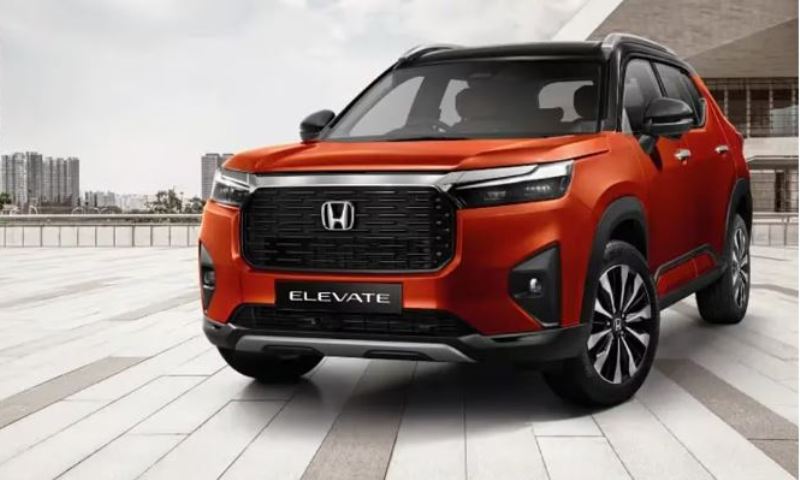
The latest one lakh units were exported in just two years, driven by strong demand for its mid-size SUV Honda Elevate, which is also sold as the WRV in Japan, alongside shipments to South America and the Caribbean.
The Honda City and Honda Elevate together account for 78 per cent of HCIL’s total exports, while the remaining 22 per cent comprises models such as the Brio, Amaze, Jazz, BR-V, Mobilio, City e:HEV, Accord and CR-V.
Over the years, HCIL has exported vehicles to 33 countries. Japan leads with a 30 per cent share, followed by South Africa and SADC nations at 26 per cent, Mexico at 19 per cent, and Turkiye at 16 per cent. The remaining 9 per cent includes markets in the Middle East, SAARC, South America and the Caribbean.