
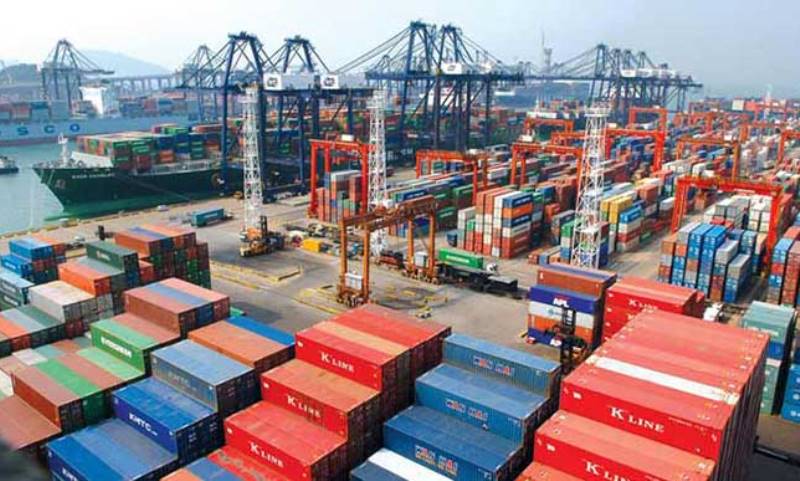
Hong Kong is looking to the Pinglu Canal project in southern China as a potential catalyst for revitalising its port business and strengthening its position in regional maritime trade.
The Pinglu Canal is being developed in Guangxi to provide a direct waterway connection between the Xijiang River system and the Beibu Gulf. The project is expected to shorten inland transport routes and improve access between western China and international shipping markets.
For Hong Kong, the canal could create new opportunities to connect with cargo flows from western and southwestern China. Improved inland waterway connectivity could help Hong Kong attract additional transshipment and logistics activity while complementing its established maritime and supply-chain infrastructure.
Hong Kong has faced growing competition from mainland Chinese ports, particularly in the Pearl River Delta and other major regional gateways. The development of new transport links is therefore being closely watched as the territory seeks to maintain its role as an international shipping and logistics centre.
The Pinglu Canal could also strengthen multimodal connectivity by linking river, road, rail and maritime networks. Faster access to the Beibu Gulf could provide exporters in inland regions with additional options for reaching global markets.
The project is expected to reshape cargo flows across southern China once operational. Hong Kong’s ability to integrate with these changing trade routes could be important for sustaining port volumes and expanding its wider logistics and maritime services.