
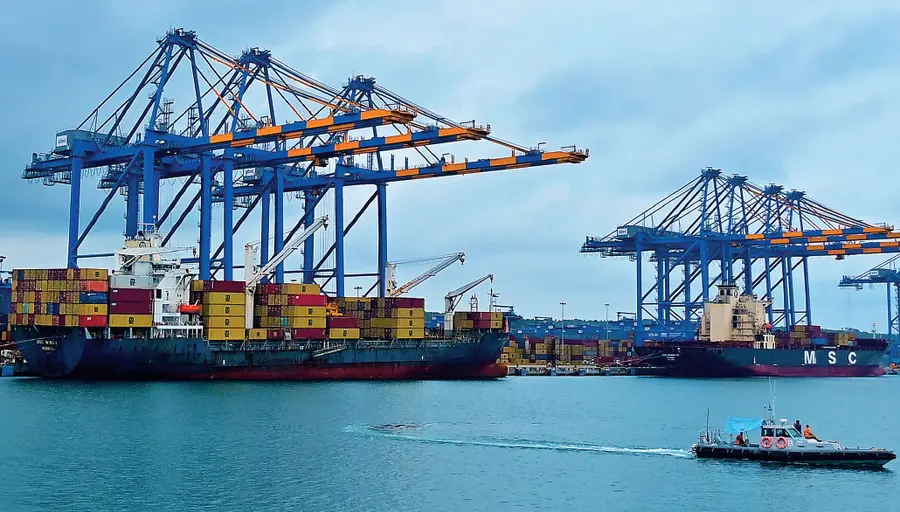
The Ministry of Ports, Shipping and Waterways has reported measurable improvements in port efficiency and logistics performance, driven by sustained infrastructure upgrades and policy reforms across the maritime sector.
According to the Ministry, the average turnaround time of vessels at major ports has declined from 52.87 hours in 2021–22 to 49.47 hours in 2024–25, reflecting enhanced operational efficiency. Similarly, container turnaround time has improved, reducing from 32.39 hours to 30.08 hours during the same period.
The progress is attributed to ongoing modernisation efforts under initiatives such as the Sagarmala Programme, alongside improvements in port connectivity, digitisation, and streamlined cargo handling processes.
In a significant policy push, the Union Budget 2026-27 has announced the launch of a Coastal Cargo Promotion Scheme. The initiative aims to increase the share of inland waterways and coastal shipping in the national modal mix from the current 6% to 12% by 2047, aligning with long-term sustainability and logistics efficiency goals.
To strengthen coastal shipping, the government has introduced a range of incentives, including a 40% discount on vessel and cargo-related charges for coastal vessels at major ports, priority berthing, and Green Channel clearance to reduce dwell times. Additionally, the GST on bunker fuel for Indian-flagged vessels has been reduced from 18% to 5%, improving cost competitiveness.
Parallel efforts are underway to boost inland water transport infrastructure. Key initiatives include fairway development and maintenance, construction of community and tourist jetties, development of floating and permanent terminals with storage facilities, and establishment of intermodal and multimodal logistics hubs.
The Ministry noted that these combined measures—spanning policy reforms, infrastructure expansion, and multimodal integration—are enhancing India’s competitiveness in global maritime trade while promoting a more sustainable and efficient logistics ecosystem.