
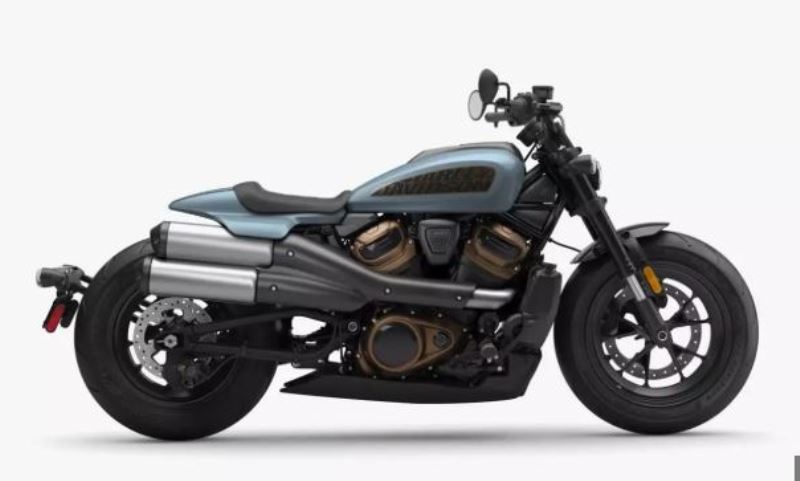
It’s every motorcyclist’s dream to own a Harley-Davidson, however, high cost is one of the major hurdles for a cost-specific market like India. This is because most of the brand’s models are directly imported from the USA as Completely Built Units (CBU), barring the X440 of course, which is locally built by Hero Motorcorp.
According to the media, India is weighing a proposal to eliminate tariffs on high-end motorcycles as part of a broader strategy to strike a trade deal with President Donald Trump without significantly compromising its protectionist stance.
The Modi administration is considering scrapping import duties on motorcycles with engine capacities of 750cc and above, according to sources familiar with the matter. While discussions are ongoing, the inclusion of this offer in the final US-India trade pact will depend on the progress of negotiations.
Cheaper Harley-Davidson motorcycles in India
The move is largely aimed at easing market access for iconic American brands like Harley-Davidson Inc. It would build on earlier budget concessions, which reduced duties on motorcycles up to 1600cc from 50% to 40%. Given that high-capacity motorcycles account for a small slice of India’s nearly 16 million annual motorcycle sales, the impact on domestic manufacturers is expected to be minimal.
India is also open to a reciprocal zero-tariff arrangement for auto parts—a sector where it sees strong export potential and limited domestic opposition. President Trump has previously labeled India the “tariff king,” citing steep import duties on Harley-Davidson motorcycles as a symbol of unfair trade practices. This policy shift is part of India’s attempt to ease tensions and avoid 26% retaliatory tariffs imposed by the US on April 2, which are currently paused for 90 days.
India’s trade and heavy industries ministries declined to comment on the tariff discussions. Meanwhile, US Vice President JD Vance is visiting India, underscoring its strategic significance in ongoing trade talks. Speaking in Jaipur on Tuesday, Vance said, “Americans want further access to Indian markets. This is a great place to do business, and we want to give our people more access to this country and Indians.”
However, the tariff concession may not be enough to prevent the US from pressing India to open up tightly protected sectors like e-commerce, electric vehicles, and agriculture as part of any broader trade agreement.