
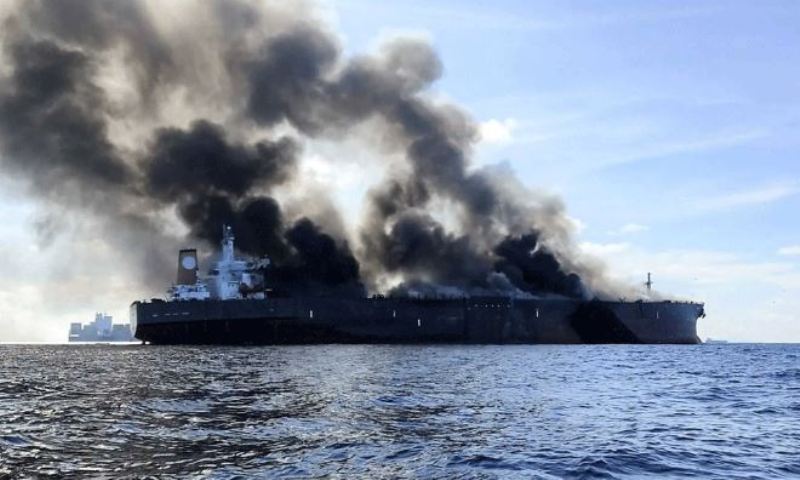
A second strike on a liquefied petroleum gas (LPG) tanker in the Strait of Hormuz has left one crew member missing and two others injured, raising fresh concerns over maritime security in one of the world’s most strategically important shipping corridors.
The incident adds to growing risks for commercial vessels navigating the narrow waterway, which connects the Persian Gulf with the Gulf of Oman and serves as a critical route for global energy shipments.
The Strait of Hormuz handles a significant share of international oil and gas trade, including LPG and liquefied natural gas shipments destined for major importing markets in Asia. Any disruption to vessel movements in the region can have wider implications for energy supplies, freight costs and international shipping operations.
The latest incident is expected to heighten concerns among shipowners, operators, insurers and energy traders, particularly those involved in transporting petroleum products from Gulf terminals.
Repeated attacks and security incidents in the region have already increased operational uncertainty for vessels operating around the Strait. Shipping companies may face additional security expenses, insurance premiums and potential delays as they assess the risks associated with transiting the waterway.
The incident also highlights the vulnerability of energy supply chains that depend heavily on safe passage through the Strait of Hormuz.
Further details regarding the vessel’s identity, the circumstances of the strike and the condition of the injured crew members remain important for assessing the wider impact on regional maritime operations.