
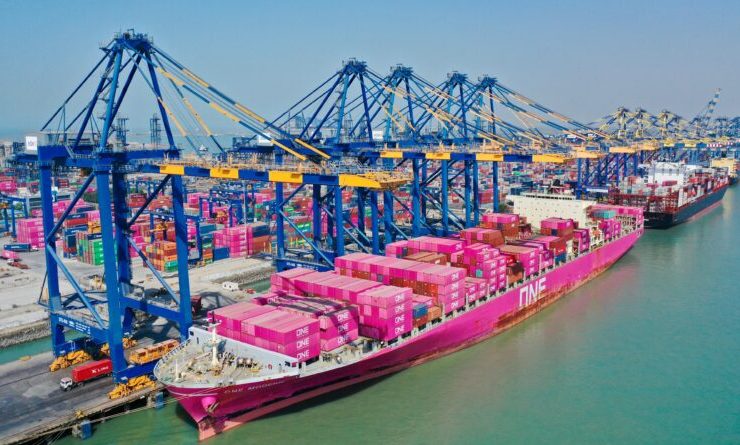
India is accelerating efforts to standardise port operations and improve transparency under the ‘One Nation One Port’ initiative, with ports required to digitise processes and publish tariffs online by March 2027.
The initiative aims to create a more consistent and transparent operating environment across the country’s port sector. Making port charges publicly accessible online is expected to help shipping lines, exporters, importers, freight forwarders and other stakeholders obtain clearer information on applicable fees and service costs.
Digitalisation is also expected to reduce paperwork, simplify documentation and improve coordination among port authorities, shipping companies, customs officials and logistics service providers. Greater use of digital systems could help streamline cargo handling, reduce administrative delays and improve the flow of information across the supply chain.
For exporters and importers, transparent tariff information is particularly important when calculating total logistics costs and planning international shipments. Online publication of charges can make it easier to compare service costs, prepare budgets and identify potential additional expenses before cargo reaches a port.
The directive was issued following the 21st Maritime State Development Council (MSDC) meeting in Mumbai on October 13, 2026. The council directed all major and non-major ports to implement the reforms by March 2027 and integrate with the Maritime Single Window platform, Sagar Setu. States and Union Territories have also been asked to notify the necessary subordinate regulations within three months.
Key measures under the initiative
- Standardised documentation: Harmonise port-related documents and procedures across India.
- Digital integration: Connect ports to the Maritime Single Window platform for unified electronic processing.
- Online tariff disclosure: Make port charges available electronically to improve transparency.
- Process re-engineering: Simplify procedures and improve coordination among government agencies and port stakeholders.
The reforms are intended to reduce procedural differences between ports, improve access to tariff information and make cargo movement more efficient. For exporters, importers, shipping lines and freight forwarders, standardised digital processes could improve shipment planning and help businesses understand port-related costs more clearly.
Successful implementation will depend on coordination between the Centre, state governments and port authorities, particularly in adopting common procedures and meeting the March 2027 deadline.