
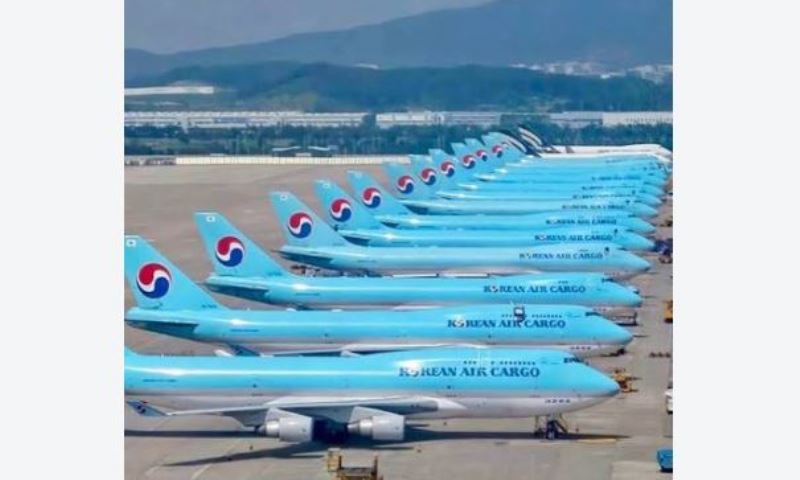
Korean Air is maximising its cargo capacity on routes to the Americas as rising demand for artificial intelligence (AI)-related shipments adds pressure to the air freight market during the peak shipping season.
The growing adoption of AI technologies worldwide has fuelled demand for data centre equipment, semiconductor components, servers and other high-value electronic products. These shipments require reliable and time-sensitive air freight services, increasing competition for available cargo capacity.
The Americas market has become particularly important as technology companies accelerate investments in AI infrastructure and expand data centre operations. The resulting movement of specialised equipment is creating additional demand for air cargo services from Asia to North American destinations.
Korean Air is seeking to capitalise on this demand by optimising its available freighter capacity and strengthening cargo operations across its Americas network. The airline’s extensive international network and established cargo infrastructure provide an advantage in handling high-value technology shipments.
The surge in AI-related cargo is also changing traditional air freight demand patterns, with electronics and semiconductor-related shipments becoming increasingly important contributors to cargo volumes.
However, the combination of peak-season shipments and strong demand from the technology sector is putting pressure on available capacity, potentially influencing freight rates and space availability.
Korean Air’s capacity strategy highlights the growing influence of AI infrastructure investment on global air cargo markets, with technology-related shipments emerging as an important driver of demand.