
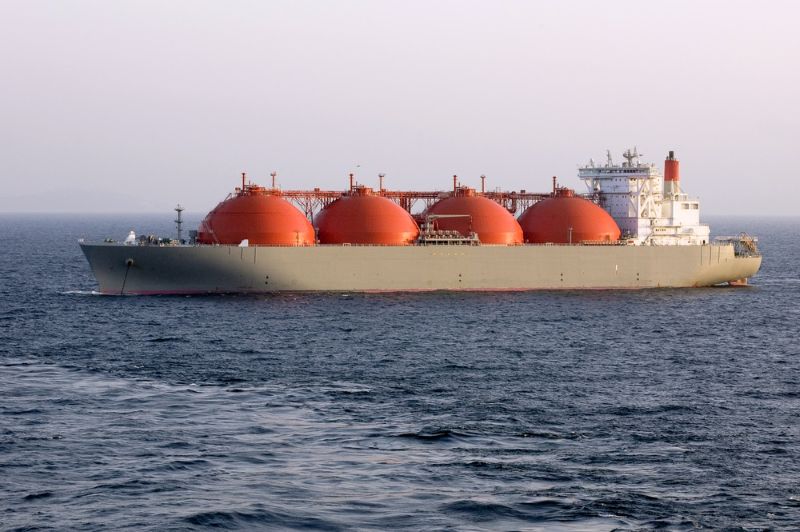
Liquefied natural gas (LNG) shipments through the Strait of Hormuz reached their highest level in September since the start of the US-Iran conflict, indicating that LNG trade through the strategically important waterway has continued despite heightened regional security risks.
The Strait of Hormuz is a critical energy corridor connecting major Gulf producers with global markets. LNG cargoes from Qatar and the United Arab Emirates account for a significant share of the traffic through the waterway, making its uninterrupted operation important for energy-importing countries across Asia and other regions.
The increase in September shipments suggests that LNG exporters and vessel operators continued to use the route despite concerns over potential disruptions. Higher vessel movements can also reflect efforts by buyers and suppliers to maintain established supply schedules amid uncertainty in regional shipping conditions.
For LNG carriers, navigating the Strait remains closely linked to security assessments, insurance costs and operational considerations. Any disruption to the waterway could have wider implications for vessel availability, freight rates and delivery schedules, particularly for Asian buyers that rely heavily on Gulf LNG supplies.
The latest increase in shipments also comes as energy markets remain sensitive to developments across the Middle East. Changes in vessel traffic through Hormuz are being closely monitored by traders, shipping companies and energy consumers because alternative routes for Gulf LNG exports are limited.
For countries dependent on LNG imports, continued cargo movement through the strait provides some support for supply reliability. However, shipping and energy-market participants remain exposed to the possibility of further disruptions if regional tensions escalate.
The September increase highlights the continued importance of the Strait of Hormuz to global LNG trade. While cargo flows have remained active, the route’s strategic significance means that developments affecting maritime security will continue to influence LNG shipping and international energy markets.