
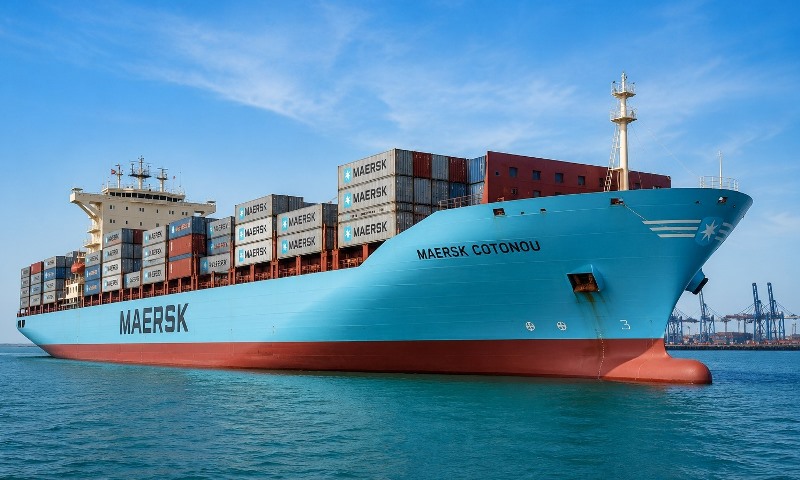
Maersk has updated the Peak Season Surcharge (PSS) applicable to cargo moving under its F3W service, as the carrier adjusts charges in response to changing market and operational conditions.
The surcharge is intended to cover additional costs associated with handling cargo during periods of elevated demand and constrained logistics capacity. Such charges can be revised by carriers depending on vessel utilisation, port conditions, equipment availability and overall market demand.
The F3W service forms part of Maersk’s international container shipping network, connecting key markets through a scheduled service structure. Changes to the applicable PSS will therefore be relevant to shippers and freight forwarders planning cargo movements on the service.
For exporters and importers, revised surcharges can affect the overall landed cost of shipments. Customers may need to factor the updated charge into freight budgets and compare total transportation costs when planning upcoming consignments.
Peak season surcharges are commonly used by container carriers to manage periods when demand for vessel space, containers and terminal services increases. They can also reflect additional operational expenses arising from congestion, schedule changes or disruptions across shipping networks.
The latest adjustment highlights the continuing need for shippers to monitor carrier tariff announcements closely. Changes in freight rates and surcharges can have a direct impact on logistics costs, particularly for businesses operating on competitive international trade lanes.
Freight forwarders and logistics providers are also expected to update quotations and customer contracts where applicable to reflect the revised Maersk charge. Shipment planning may need to take into account the effective period and cargo categories covered by the updated surcharge.
Maersk’s revision of the F3W Peak Season Surcharge underscores the dynamic nature of container shipping pricing. As market conditions evolve, further adjustments to surcharges and freight rates may influence transportation costs and supply-chain planning for customers using the service.