
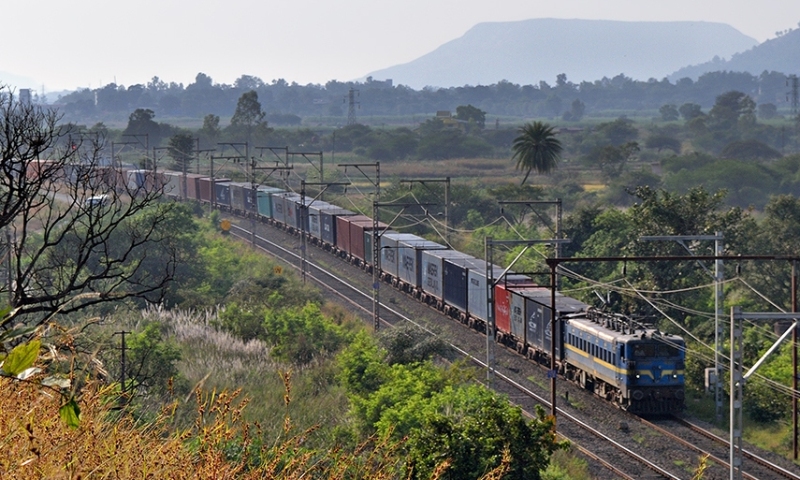
MPL Logistics Hub Pvt Ltd has achieved a significant milestone by handling its 100th rake at its Gati Shakti Cargo Terminal in Telangana, marking a major step forward in regional logistics infrastructure and sustainable freight transportation.
The company described the journey to the first 100 rakes as a challenging yet transformative phase that helped strengthen operational capabilities and improve efficiency across its cargo handling network.
The achievement underscores the growing importance of multimodal logistics infrastructure under India’s Gati Shakti initiative, aimed at enhancing supply chain connectivity and reducing transportation costs through integrated freight movement.
MPL Logistics Hub credited its customers and partners for their continued trust and support in reaching the milestone. The company said that while the first 100 rakes tested its resilience and operational strength, it is now positioned for accelerated growth and aims to reach the next 100-rake milestone in a much shorter time.
The milestone is expected to further boost sustainable logistics solutions in the region by promoting rail-based cargo movement, which helps reduce road congestion, fuel consumption and carbon emissions.