
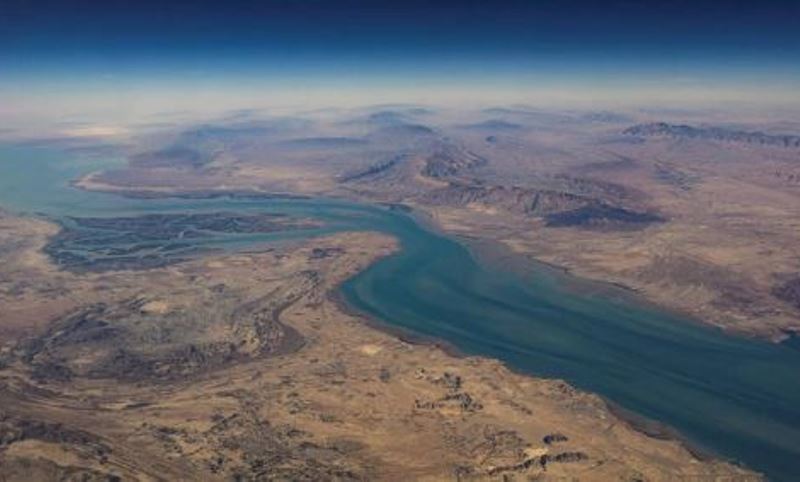
Oman has announced the establishment of a temporary maritime corridor through the Strait of Hormuz in coordination with the International Maritime Organization, aimed at facilitating the safe passage of vessels through one of the world’s most critical shipping chokepoints.
According to Oman’s state news agency, vessels seeking to transit the temporary corridor must coordinate with the IMO and adhere to the designated coordinates issued jointly by the organization and Omani authorities.
The initiative is intended to ensure the continued flow of maritime traffic through the Strait of Hormuz while upholding the principles of international law and the law of the sea. Omani authorities emphasized that the arrangement supports freedom of navigation and does not impose any transit fees on vessels using the route.
The Strait of Hormuz remains a vital gateway for global energy and trade flows, linking the Arabian Gulf with international markets. The introduction of the temporary corridor comes amid heightened concerns over maritime security in the region, providing shipowners and operators with a structured framework for safe navigation.
Industry observers believe the move could help ease uncertainty for global shipping and energy markets by maintaining uninterrupted vessel movements through the strategic waterway.