
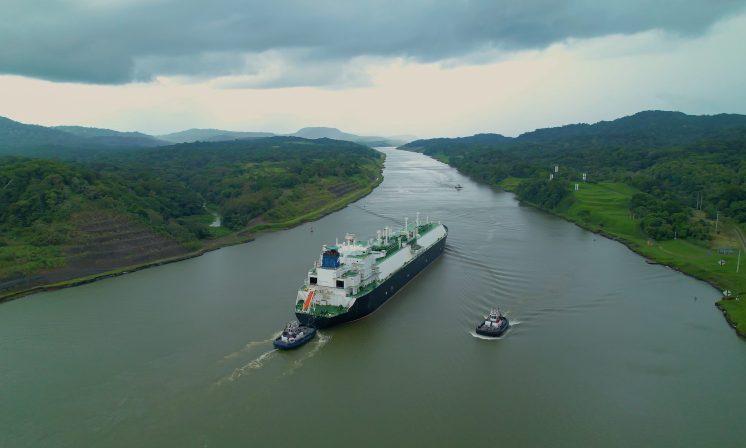
The Panama Canal Authority (ACP) has temporarily relaxed its Neopanamax transit reservation rules, giving shipping lines greater flexibility to secure slots amid continued pressure on water resources in the canal watershed. The changes took effect on August 30, 2026, for booking dates beginning September 13.
Under the revised system, Neopanamax customers can obtain more than one reservation slot for the same booking date and secure slots on two or more consecutive dates. Customers can also swap or substitute vessels after receiving a slot, provided the replacement vessel has the same or greater Transit TEU Allowance (TTA) and customer limits are respected.
The canal will offer 63 Neopanamax reservation slots per week, including capacity allocated through the Long-Term Slot Allocation (LoTSA) and NetZero programmes. A minimum of five slots per booking date will be allocated to full-container vessels, while other market segments will receive defined minimum allocations.
The changes are intended to improve access to available capacity and prevent slots from going unused while promoting more efficient use of the canal’s water resources. The ACP said a confirmed reservation remains the only way to guarantee a specific transit date, with unreserved vessels potentially facing delays depending on demand and available capacity.
The booking changes come as the canal continues to manage below-expected rainfall and a water deficit in its watershed. The ACP has also announced further adjustments to transit capacity and auction arrangements as it responds to changing water conditions.