
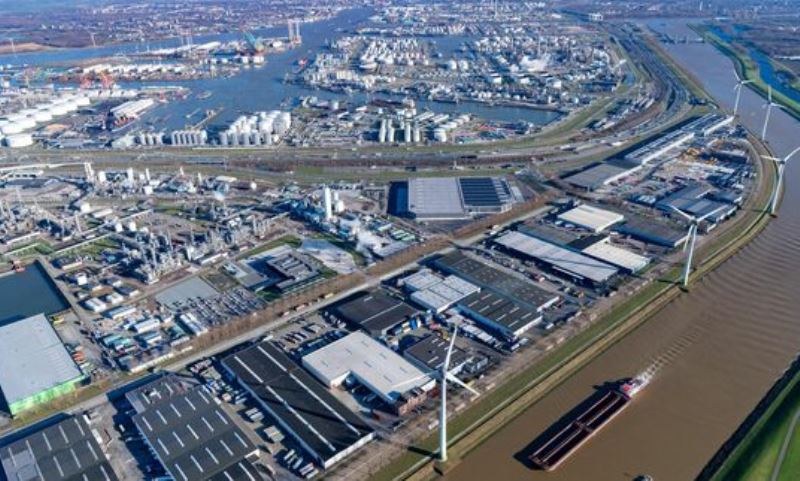
The Port of Rotterdam is stepping up efforts to move a larger share of container traffic outside traditional peak operating hours, aiming to improve efficiency, reduce congestion, and strengthen the resilience of supply chains across Europe.
The initiative is part of the port’s broader strategy to optimize cargo flows and make better use of existing infrastructure by encouraging container pickups, deliveries, and transport activities during evenings, nights, and other off-peak periods. By spreading traffic more evenly throughout the day, the port hopes to ease pressure on road networks, terminal gates, and logistics facilities.
Port authorities and logistics stakeholders have been working together to promote greater flexibility in container movements, particularly as cargo volumes continue to grow and supply chains face increasing demands for speed and reliability. The expansion of off-peak operations is expected to help reduce truck waiting times, improve asset utilization, and enhance overall terminal productivity.
Industry participants note that shifting container flows beyond peak hours can deliver significant operational benefits. More balanced traffic patterns can help transport operators avoid bottlenecks, lower fuel consumption, and improve scheduling efficiency, while terminals can make better use of labor and equipment resources.
The Port of Rotterdam, Europe’s largest seaport, has been investing heavily in digitalization, data-sharing platforms, and smart logistics solutions to improve cargo visibility and coordination among shipping lines, terminal operators, trucking companies, and cargo owners. Off-peak operations form an important part of these efforts to create a more efficient and sustainable logistics ecosystem.
The move also aligns with broader environmental goals by helping to reduce congestion-related emissions and support cleaner freight transportation. Port officials believe that greater adoption of flexible operating schedules will contribute to more sustainable supply chain practices while maintaining the competitiveness of the port.
As global trade volumes continue to evolve and logistics networks face periodic disruptions, the expansion of off-peak container operations is expected to play a key role in enhancing the Port of Rotterdam’s capacity, operational resilience, and ability to serve customers efficiently across international markets.