
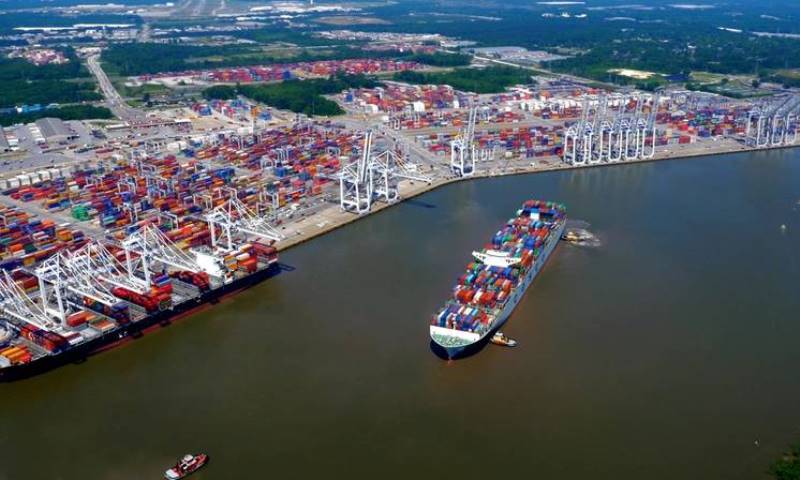
The Port of Savannah has recorded a significant milestone by handling 5.67 million TEUs, reflecting sustained cargo growth supported by ongoing infrastructure expansion and operational improvements. The strong throughput underscores the port’s growing importance as one of the United States’ busiest container gateways and a critical hub for international trade.
The increase in container volumes has been driven by resilient import demand, healthy export activity, and continued investment in port capacity. Strong cargo flows across retail goods, agricultural products, automotive components, machinery, and industrial equipment have contributed to the port’s robust performance.
To accommodate rising trade volumes, the Georgia Ports Authority has continued expanding terminal infrastructure, including additional berth capacity, larger container yards, enhanced rail connectivity, and new ship-to-shore cranes. These investments have improved cargo-handling efficiency, increased storage capacity, and reduced vessel turnaround times, enabling the port to serve larger container ships more effectively.
Savannah’s strategic location and extensive inland transport network have strengthened its position as a preferred gateway for cargo moving across the US Southeast and Midwest. Improved intermodal rail services and highway connections have further enhanced supply chain reliability for importers and exporters seeking efficient access to domestic markets.
Port officials said the infrastructure upgrades are designed to support long-term trade growth while improving resilience against future supply chain disruptions. The continued expansion also aligns with efforts to accommodate increasing vessel sizes and rising container traffic resulting from evolving global shipping patterns.
With further investments planned in terminal modernisation, automation, and logistics infrastructure, the Port of Savannah is well positioned to sustain cargo growth and strengthen its competitiveness in the North American container shipping market. The latest throughput milestone highlights the port’s expanding role in supporting US trade and global supply chains.