
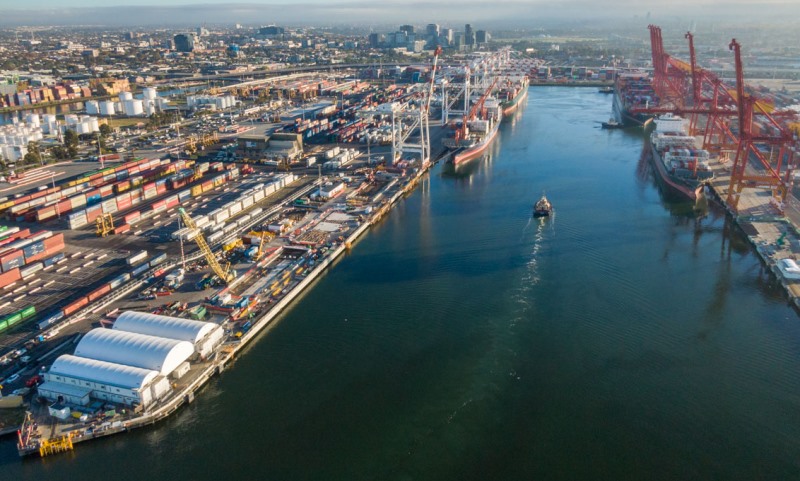
The Port of Melbourne recorded a 7.3% year-on-year increase in container throughput in June, reflecting resilient trade activity and sustained demand across Australia’s busiest container gateway. The growth was driven by stronger import volumes, stable export shipments, and continued improvements in supply chain efficiency.
The port handled higher volumes of containerised cargo during the month, supported by increased imports of consumer goods, machinery, construction materials, and retail products. Export activity also remained steady, with agricultural produce, food products, dairy, meat, and manufactured goods contributing to overall throughput.
Port officials attributed the positive performance to robust domestic demand, improved vessel schedule reliability, and efficient terminal operations that enabled smoother cargo handling despite ongoing global supply chain uncertainties. Enhanced landside connectivity and digital logistics initiatives also helped improve cargo movement and reduce turnaround times.
As Australia’s principal container port, Melbourne serves as a critical gateway for international trade, connecting businesses with key markets across Asia, Europe, and North America. The steady rise in throughput highlights the port’s central role in supporting the country’s import-export supply chains and economic activity.
The latest growth comes amid continued investment in port infrastructure, capacity expansion, and operational modernisation aimed at accommodating rising cargo volumes and larger container vessels. These initiatives are expected to strengthen the port’s long-term competitiveness while enhancing service reliability for shipping lines and cargo owners.
Looking ahead, the Port of Melbourne expects container traffic to remain supported by healthy trade demand and seasonal cargo movements. Continued infrastructure upgrades and close collaboration with logistics stakeholders are expected to further improve supply chain resilience and support Australia’s growing international trade volumes.