
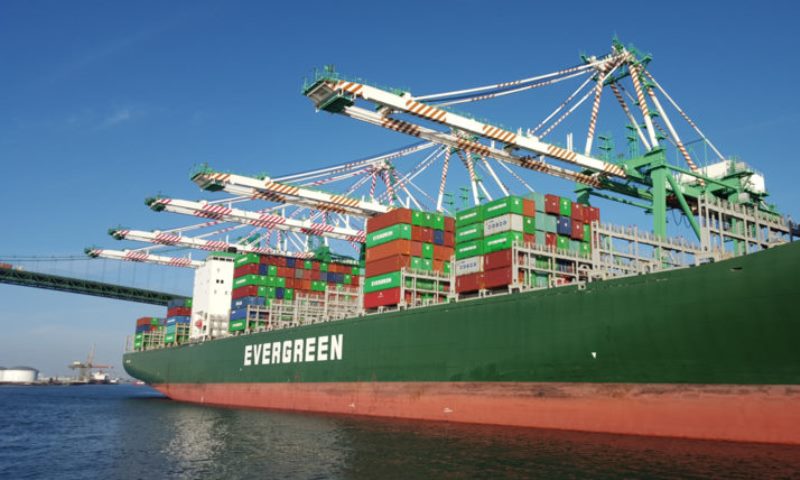
The idle container fleet has reached an all-time low in the opening 10 months of the year with Alphaliner reporting that proportionally, the ongoing Red Sea crisis has had a bigger impact on ship employment than covid.
According to Alphaliner data, on average 0.7% of the global cellular container fleet was commercially idle in January to October. This represents less than in the equivalent 10-month period in both 2021 and 2022 when covid was at its peak and there was an average 0.9% of the fleet idle each year back then.
With the majority of containerships rerouting via the Cape of Good Hope on voyages between Asia and Europe this has extended voyage times by around two weeks, soaking up capacity despite record numbers of newbuilds departing from yards in Asia.
Liner comparisons between covid and the Red Sea shipping crisis extend to schedule delays too.
Container ports have been experiencing chaotic schedules this year not seen since the days of covid.
Vessel bunching, where multiple vessels sail on the same week on the same service, has increased sharply this year, according to a recent report from Danish consultancy Sea-Intelligence. On many routes including Asia-Europe, this is essentially back to the same level as during the pandemic thanks to the ongoing Red Sea shipping crisis.
UNCTAD, the United Nations’ trade and development body, recently released its latest annual shipping report with the Review of Maritime Transport 2024 clearly showing how the Houthis have helped ensure the bottom lines of container lines remain in highly profitable territory this year.