
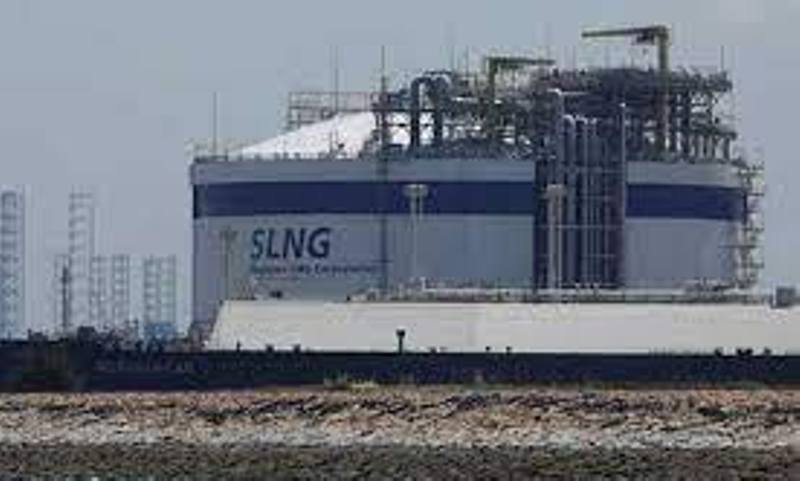
Singapore LNG Corp (SLNG) will develop and operate the country’s second liquefied natural gas (LNG) terminal, with gas supply capacity of up to 5 million tons a year, it said on Tuesday.
SLNG is considering the option of using a floating storage and regasification unit (FSRU) for the second terminal, it said.
Its gas supply capacity is expected to be about half that of the country’s first terminal, also owned and operated by SLNG, which is located onshore on Jurong Island.
“The second terminal will better enable Singapore’s demand for natural gas to be met entirely by liquefied natural gas, should that become necessary,” it said.
It will also “enhance SLNG’s capacity to deliver more LNG-related services, further entrenching Singapore as a key trading hub for LNG”, it said.
The terminal will be connected to Singapore’s gas pipeline grid via an onshore pipeline that will be installed as part of the project.
SLNG added that it aims to have the second terminal operational by the end of the decade, and will soon issue a tender to charter the FSRU.
The statement by SLNG comes after the Singapore government announced on Monday that it will create an entity in 2024 to centrally purchase and manage natural gas supply for the power sector, as it seeks to boost its energy security.
The city state relies on gas to generate 95% of its electricity.