
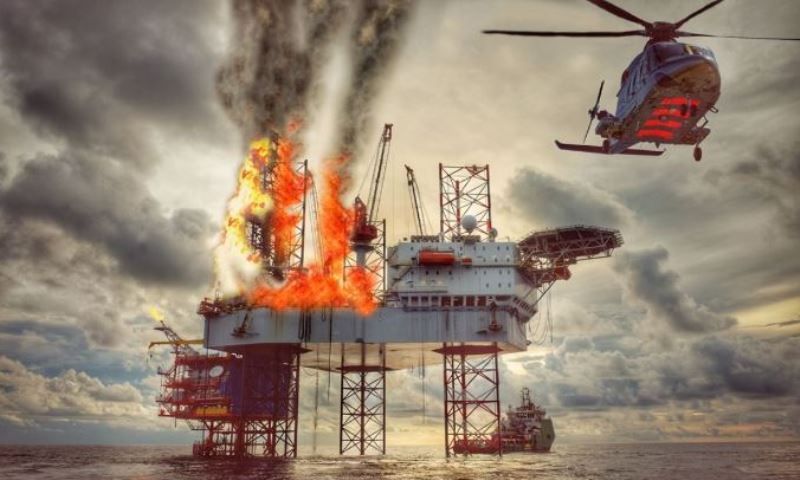
Norwegian state-owned energy giant Equinor has confirmed the appearance of smoke at an unmanned production platform deployed at a gas field in the North Sea off the coast of Norway. As a result, the production was interrupted to carry out the required checks.
After the Equinor Emergency Response team was notified of smoke development in a switchgear room at the Sleipner B platform on October 22, DOF’s platform supply vessel (PSV) Skandi Mongstad was mobilized to the area.
According to Equinor, the production has been shut down and the facility has been depressurized. Aside from its emergency response organization being mobilized, the firm also highlights that relevant authorities have been notified.
The unmanned production platform is in the Sleipner Vest area in the North Sea, 12.5 km away from the Sleipner A platform. The Sleipner area encompasses three gas and condensate fields – Sleipner Øst, Gungne, and Sleipner Vest – and processes hydrocarbons from the tie-in fields: Sigyn, Volve, Gudrun and gas from Gina Krog.
The installations on this North Sea asset include the processing, drilling, and living quarter platform (Sleipner A), the unmanned production platform (Sleipner B), and the processing and CO2 removal platform (Sleipner T).
Equinor recently took further steps to curb carbon emissions from the Norwegian Continental Shelf (NCS) by 160,000 tons of CO2 per year with power from shore through the partial electrification of assets on Utsira High, including the Sleipnerfield center, the Gudrun platform, and other associated fields.
The Norwegian player’s safety results for the third quarter of 2024 showed an uptick in safety, paired with a slight increase in injuries towards the end of the quarter. The company is preparing to start production from the Johan Castberg field by year-end.