
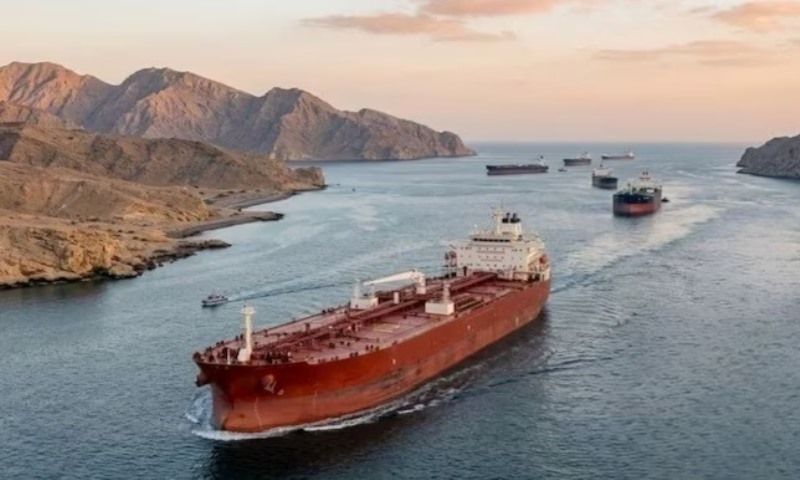
Ten commodity vessels transited the Strait of Hormuz on Wednesday, up from seven a day earlier but still below the 10-day moving average of around 17 vessels, according to preliminary shipping data available on Thursday.
Nine vessels entered the strategic waterway, including Supramax bulk carriers transporting metals, grain and other dry bulk commodities, as well as an empty very large gas carrier (VLGC). One Supramax vessel carrying fertilizer was recorded exiting the strait, with the data compiled as of 0423 GMT on Thursday.
The figures do not include vessels that may have transited the Strait of Hormuz with their Automatic Identification System (AIS) transponders switched off to avoid detection.
Before the US-Israeli war on Iran began on February 28, the Strait of Hormuz typically handled around 125 large commercial vessels a day, including oil tankers, gas carriers, bulk carriers and container ships. The waterway is a critical global energy corridor, accounting for about 20% of the world’s daily crude oil and liquefied natural gas supplies.
Meanwhile, diplomatic efforts to end the conflict remain ongoing. A senior Iranian official told Reuters on Wednesday that Iran and the United States remain far apart on how to end the war but that diplomacy must continue. The official said Tehran was reviewing Washington’s response to Iranian peace proposals, which include demands for the lifting of a US naval blockade on Iranian ports and the reopening of the Strait of Hormuz.
In the Bab el-Mandeb Strait, commodity vessel traffic was comparatively higher, with 27 vessels transiting the waterway on Wednesday, up from 24 a day earlier and slightly above the 10-day average of 26 vessels.