
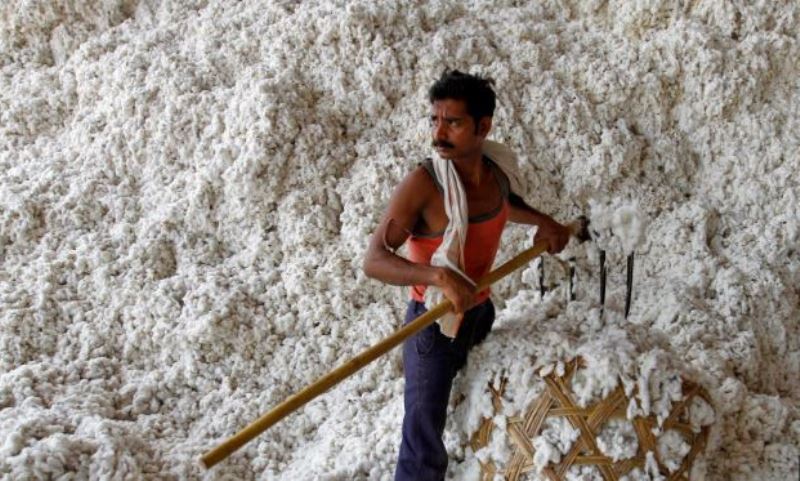
India has suspended import duty on cotton for a period of five months, providing significant relief to textile exporters and manufacturers facing rising raw material costs and supply constraints. The temporary measure is aimed at improving the competitiveness of India’s textile and apparel sector in global markets while ensuring adequate availability of cotton for domestic processing industries.
Industry stakeholders have welcomed the decision, noting that duty-free cotton imports will help mills secure raw materials at more competitive prices and reduce production costs. The move is expected to benefit exporters of yarn, fabrics, garments, and other textile products by improving margins and supporting order fulfillment amid increasing international competition.
The textile sector has been seeking policy support as fluctuations in domestic cotton prices and supply availability have affected manufacturing costs in recent months. By easing import costs, the government aims to stabilize raw material supplies and strengthen the industry’s ability to meet growing export demand.
Exporters believe the temporary duty suspension will enhance India’s position in key overseas markets by making textile products more price-competitive. The measure is also expected to support employment across the textile value chain, one of the country’s largest labour-intensive industries.
Industry bodies have expressed hope that the duty waiver will help sustain export growth, improve capacity utilization at spinning and textile mills, and provide a timely boost to the sector as it navigates evolving global market conditions.