
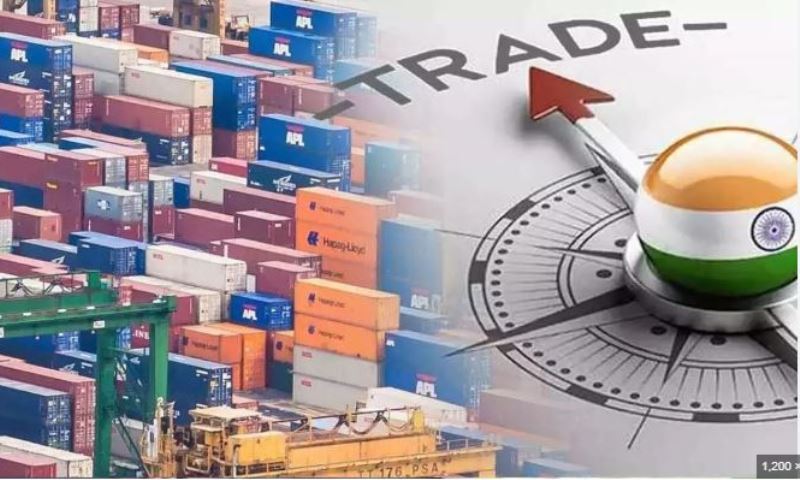
US President Donald Trump’s political setback in the midterm elections could reduce the risk of sudden tariff escalations and provide India with greater negotiating room in trade discussions with Washington, according to a report by Emkay Research.
The report said a possible Democratic takeover of both chambers of Congress could constrain the Trump administration’s ability to introduce fresh trade measures, although the broader US tariff framework is unlikely to change significantly.
For India, the political shift could ease the urgency of concluding a trade agreement with the US. Emkay noted that the proposed 18 per cent framework tariff rate was never implemented, while Indian goods currently face a lower 10 per cent Section 301 duty. It also said the US had lost its leverage under the International Emergency Economic Powers Act (IEEPA).
The report suggested that a weakened political position could push the Trump administration to focus more on consumer affordability and pursue trade agreements ahead of the 2028 presidential elections.
However, sector-specific tariff risks remain. Potential duties under Section 232, particularly on pharmaceuticals and electronics, continue to pose concerns for Indian exporters. Any setbacks in diplomatic efforts involving Russia or Iran could also revive US pressure on India over its oil imports.
“Trade remains one of the few areas he controls alone, however, so headline volatility will persist even as the bias softens,” the report said.
Emkay Research added that softer crude oil prices, a weaker US dollar and reduced tariff volatility could support the Indian rupee and improve India’s export outlook. These factors could gradually lower the country’s risk premium, although current account funding requirements and global financial uncertainties may limit the benefits.
The report cautioned that while Trump’s midterm setback could create a more favourable environment for India, it does not rule out fresh trade-related pressure from Washington.