
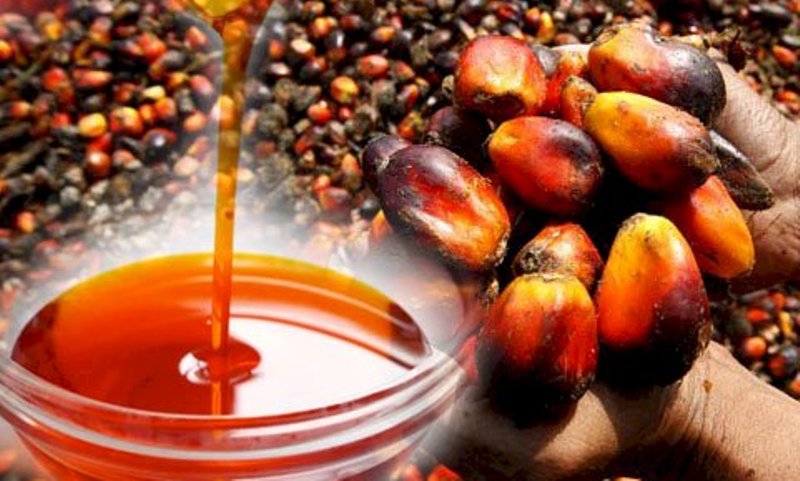
India’s palm oil imports surged to a four‑month high in January, as buyers reduced purchases of soybean oil amid changing domestic demand patterns and global price dynamics, trade sources said.
According to industry data, India imported around 950,000 tonnes of palm oil in January 2026, up from approximately 870,000 tonnes in December 2025. The increase comes as refiners and edible oil companies shifted focus from soy oil to palm oil, attracted by more competitive pricing and stable supply from major exporters like Indonesia and Malaysia.
Market analysts said the drop in soybean oil purchases — which fell nearly 12% month-on-month — reflects both higher global soy oil prices and inventory adjustments by domestic refiners. The switch to palm oil has helped processors manage costs and meet the growing demand for cooking oil in India.
Industry Outlook: Traders expect palm oil imports to remain strong in the coming months, especially if soy oil prices continue to rise and consumer demand for edible oils remains robust. Analysts also note that India’s diversified import strategy — balancing palm, soy, and sunflower oils — helps ensure supply stability and price moderation in domestic markets.
What it means: The shift towards palm oil highlights the flexibility of Indian buyers in responding to global market conditions and demonstrates India’s position as the world’s largest importer of edible oils, closely monitoring prices, supply, and seasonal consumption patterns.