
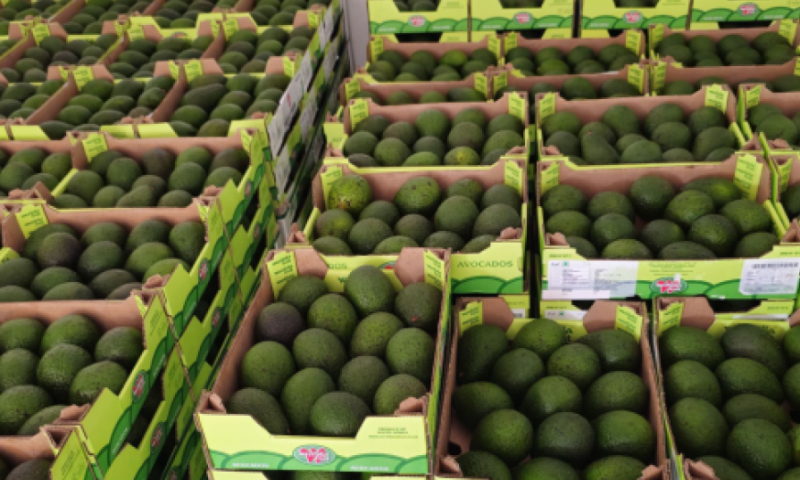
Tanzania’s fast‑growing avocado industry is finding a robust overseas market in India, emerging as the country’s second‑largest export destination after Europe, exporters and industry officials said.
Avocado shipments from Tanzania — driven by popular varieties such as Hass and Fuerte — are increasing steadily, with the 2025/26 season already underway in production hubs like Njombe and Mbeya. While Europe still accounts for roughly 40 % of Tanzania’s avocado exports, the Indian market has grown to represent around 30 %, signalling a shift in trade patterns and rising demand for African produce in South Asia.
Producers attribute India’s growing role as a key export destination to favourable tariff conditions and expanding distribution networks that make Tanzanian fruit more price competitive compared to other sources. Experts estimate that exports to India could continue to grow by 25–30 % year‑on‑year if current trends persist.
Local exporters have also pointed to improvements in quality control, certification, and cold‑chain logistics — including more farmers achieving Global GAP certification — which have strengthened Tanzania’s reliability as a supplier for Indian buyers seeking consistent and high‑quality avocados.
Analysts say this shift reflects broader changes in global horticultural trade, where emerging markets like India are becoming key growth engines for tropical fruit producers. Combined with robust domestic production — which grew from under 50,000 tons in 2020 to nearly 195,000 tons by 2023 — Tanzania’s avocado sector looks set to diversify beyond its traditional European markets.