
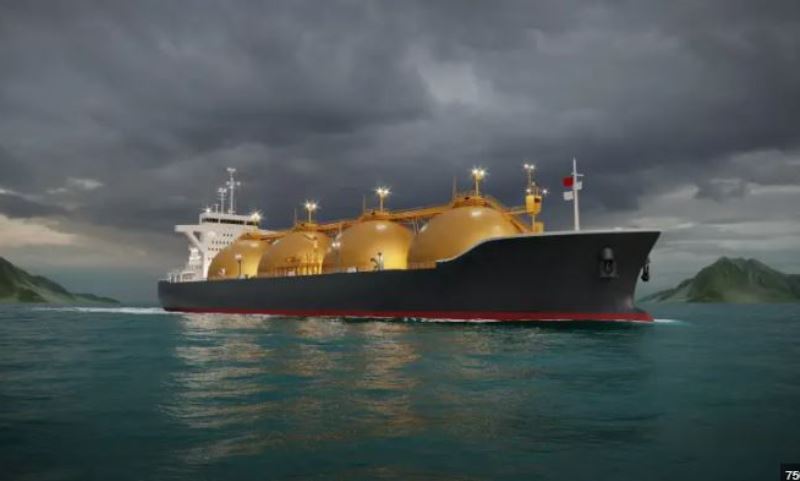
India has emerged as the most exposed among major LNG importers to supply disruptions from the Middle East, highlighting the country’s dependence on the region for liquefied natural gas (LNG) imports. Analysts say this reliance could pose risks amid rising geopolitical tensions and regional instability.
Data from industry sources show that a significant share of India’s LNG requirements is sourced from Middle Eastern countries, making it more vulnerable to price volatility and supply interruptions compared with other top global buyers. The dependence spans both long-term contracts and spot purchases, particularly for power generation and industrial consumption.
Government officials note that efforts are underway to diversify LNG sourcing, including exploring deals with the U.S., Australia, and African suppliers, and investing in domestic gas infrastructure. Initiatives such as expanding LNG terminals, improving storage capacity, and signing long-term overseas contracts aim to reduce exposure to any single region.
Energy experts say India’s position as a growing energy importer underscores the importance of strategic planning to ensure stable gas supplies, mitigate global price shocks, and safeguard the country’s energy security in the face of evolving geopolitical challenges.