
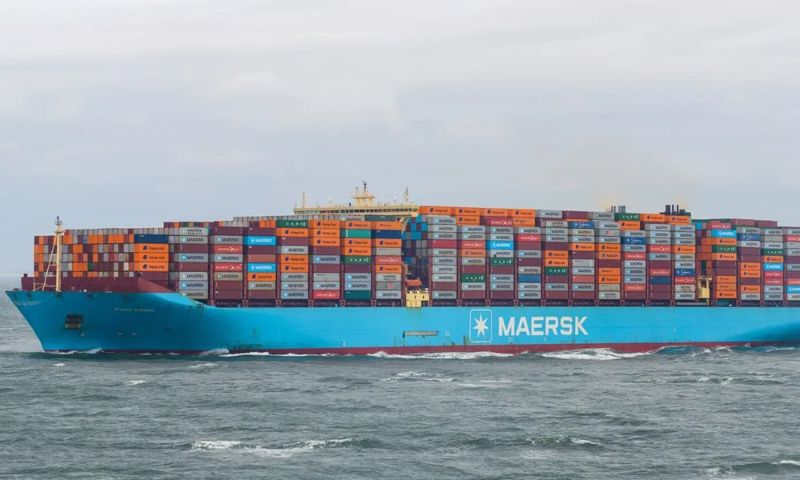
Maersk has issued a customer advisory regarding Kenya’s new mandatory cargo filing requirement, urging shippers to comply with the updated regulations to avoid delays, penalties, or disruptions to cargo clearance at the country’s ports.
Under the new requirement, importers and exporters must submit specified cargo information before shipments arrive in Kenya. The advance filing measure is intended to strengthen customs oversight, enhance supply chain security, and improve the efficiency of cargo processing at ports and border entry points.
The shipping line advised customers to ensure that all shipment documentation is complete, accurate, and submitted within the prescribed timelines. Failure to comply with the mandatory filing requirements could result in customs holds, additional administrative charges, or delays in cargo release.
Maersk said it is working closely with customers and logistics partners to facilitate a smooth transition to the new compliance framework. The carrier also encouraged shippers to coordinate with freight forwarders and customs brokers to ensure all documentation meets the latest regulatory standards before cargo is dispatched.
The new cargo filing regime forms part of Kenya’s broader efforts to modernise customs procedures, improve trade facilitation, and strengthen risk management while supporting more efficient and transparent international cargo movements.