
The UAE is accelerating investments in eastern ports, oil pipelines and alternative trade routes as it seeks to reduce dependence on the Strait of Hormuz amid continuing regional tensions. Presidential adviser Anwar Gargash said the country is developing alternative routes to protect energy exports and trade from disruptions.
A key part of the strategy is the expansion of Fujairah, located on the UAE’s eastern coast outside the Strait of Hormuz. The UAE is fast-tracking a new pipeline that is expected to double crude export capacity through Fujairah by 2027, allowing more oil to reach international markets without transiting the strait.
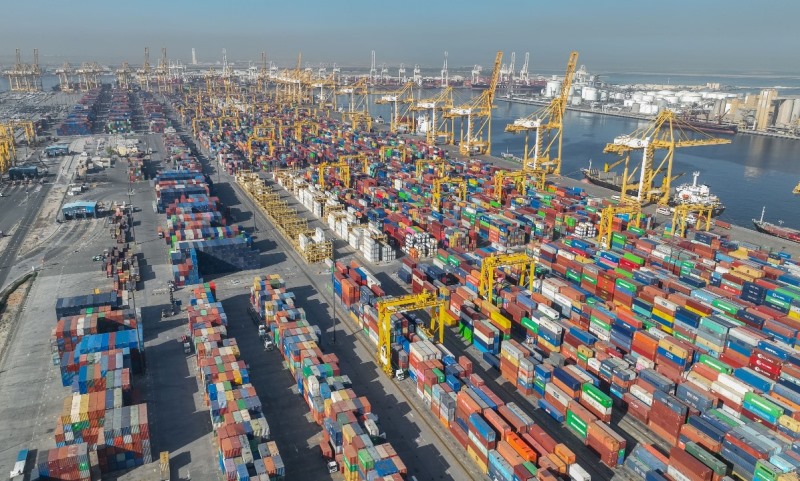
The infrastructure push also includes additional port capacity. DP World plans to develop two container terminals in Fujairah, while the UAE is also expanding inland logistics infrastructure to strengthen connections between eastern ports and the wider domestic market.
The move comes as shipping through the Strait of Hormuz has fallen sharply amid renewed US-Iran tensions and attacks involving commercial vessels. Reuters reported that average commodity-ship transits had dropped to about 10 vessels a day, the lowest level since May.
By strengthening Fujairah and other alternative logistics routes, the UAE aims to build greater resilience for energy exports and trade while reducing exposure to one of the world’s most strategically important maritime chokepoints.