
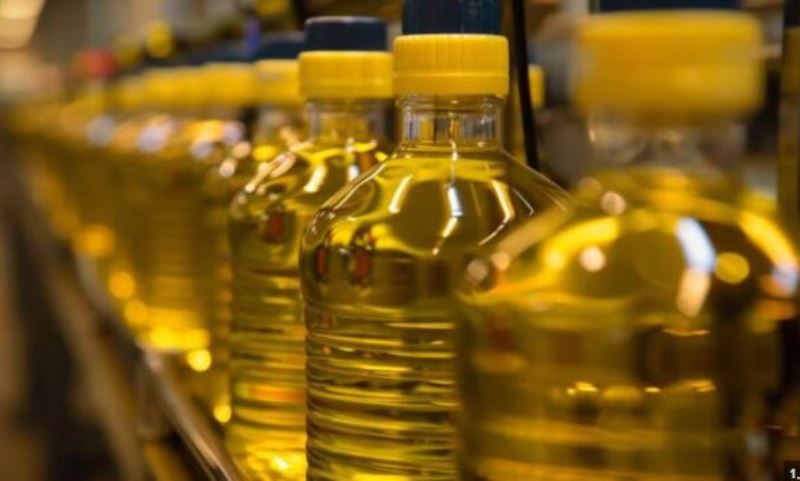
India’s aggressive vegetable oil purchases have triggered significant congestion at major ports, with limited storage capacity delaying vessel unloading by as much as 10 days. At least nine vessels carrying around 300,000 tonnes of edible oils are waiting to discharge at Kandla, India’s largest gateway for vegetable oil imports.
The congestion has also spread to Haldia, although the situation there is less severe. Shore tanks have reached capacity as refiners struggle to clear incoming cargo, creating a bottleneck across the import supply chain. Kandla handles nearly one-third of India’s edible oil imports.
India imported 1.54 million tonnes of vegetable oil in August, an 11-month high. Refiners increased purchases for August and September after prompt-delivery cargo became more competitively priced and in anticipation of stronger demand during the festival season. However, consumption has not increased as expected, leaving inventories elevated at ports and refineries.
The buildup is now expected to influence future buying decisions. Refiners are likely to reduce purchases for October-December shipments, potentially increasing inventories in major exporting countries such as Indonesia, Malaysia and Argentina. Lower Indian demand could also put pressure on global palm oil and soyoil prices.
India sources most of its palm oil from Indonesia and Malaysia, while soyoil and sunflower oil are mainly imported from Argentina, Brazil, Russia and Ukraine. The current port bottleneck highlights how rapid import growth can create logistical constraints when storage and domestic consumption fail to keep pace.