
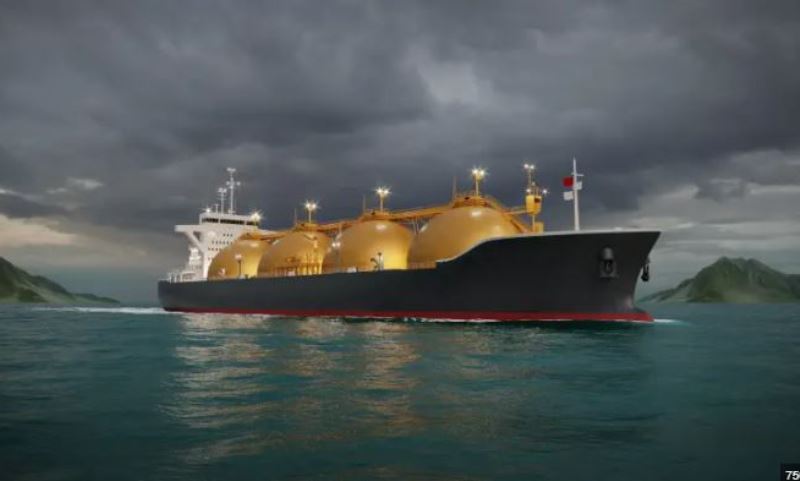
A venture led by K Line has taken delivery of its third LNG carrier for Petronas following the vessel’s handover at a Chinese shipyard.
The latest delivery expands the venture’s fleet serving Petronas and strengthens its presence in the global liquefied natural gas transportation market. The new carrier will support Petronas’ LNG shipping requirements, providing additional capacity for the movement of LNG between production and consumption markets.
The vessel is part of a broader programme involving LNG carriers designed to support long-term energy transportation needs. Modern LNG carriers incorporate advanced cargo containment and propulsion technologies aimed at improving operational efficiency and reducing fuel consumption.
China continues to play an important role in global shipbuilding, with its yards securing orders for LNG carriers and other specialised vessels from international shipowners and energy companies.
For K Line, the delivery further strengthens its LNG shipping portfolio and its relationship with Petronas. LNG transportation remains a key segment of the Japanese shipping group’s business as global demand for natural gas continues to influence fleet investment and shipping capacity.
The addition of the third carrier also highlights continued investment in LNG shipping capacity as energy companies and shipowners prepare for evolving global trade patterns and long-term gas supply requirements.