
MEP is a digital solution that integrates vessel movement data from Automatic Identification System (AIS) with RightShip’s unique maritime insights.
According to RightShip, MEP gives critical assistance and access to maritime datasets to help ports and terminals effectively measure and manage their emissions. This supports decarbonisation strategies that align with global, regional, and national targets.
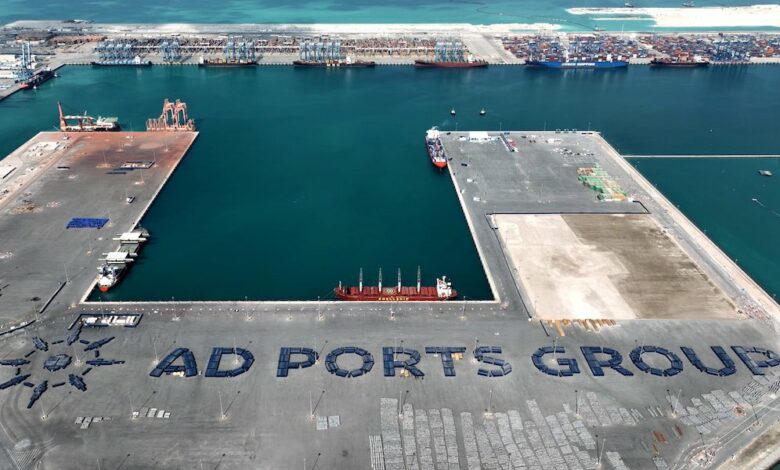
“We recognise the critical role of technology in reducing our facilities’ carbon footprint. By partnering with RightShip, we aim to leverage data-driven insights to identify areas with the highest potential for impact,” explained Othman Al Khouri, Executive Director – Corporate Authority, AD Ports Group.
“Our comprehensive strategy addresses various aspects of our operations. With this approach, we are confident that we can reduce emissions while maintaining operational efficiency.”
“Our Maritime Emissions Portal is a critical and potent tool that can assist ports in developing effective decarbonisation strategies, thereby improving air quality in the local area. This partnership will support AD Ports Group with their emissions reduction strategy and significantly contributes to our mission of creating a zero-harm maritime industry,” said Andrew Roberts, Executive Director, EMEA, at RightShip.
To compute vessel-based emissions, RightShip’s MEP employs an energy-based modelling technique that adheres to UNEP and UNFCCC requirements.
Emissions are estimated and shown in a dynamic digital tool throughout four operational modes, at specific places of interest, and against emissions objectives specified by ports.