
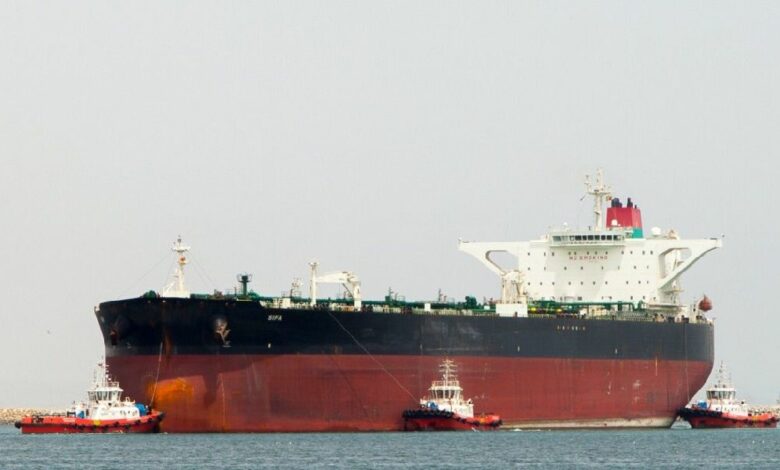
In a rare twist in tanker market economics, charterers are increasingly opting to split cargoes between two Suezmax vessels rather than booking a single Very Large Crude Carrier (VLCC), as freight rate dynamics tilt decisively in favour of the smaller segment.
Market participants report that softening Suezmax earnings, combined with firmer VLCC spot rates on key long-haul routes, have created an unusual arbitrage opportunity. On several benchmark trades, the combined cost of chartering two Suezmaxes — typically carrying about 1 million barrels each — has undercut the freight bill for a 2-million-barrel VLCC cargo.
The shift is particularly visible on Atlantic Basin to Asia runs, where tonnage imbalances and repositioning requirements have weighed on Suezmax returns. Meanwhile, tighter availability of modern, fuel-efficient VLCCs and stronger Middle East Gulf activity have supported larger tanker rates.
Operational Flexibility Drives Decisions
Beyond pure freight economics, charterers cite operational flexibility as an added advantage. Splitting cargoes allows staggered discharge at multiple ports, reduces waiting time risks, and offers scheduling agility — factors that are becoming increasingly valuable amid port congestion and refinery intake adjustments.
However, the strategy is not without constraints. Terminal compatibility, port draft restrictions, and cargo parceling considerations can limit the feasibility of replacing a VLCC stem with two Suezmax liftings. Additionally, weather exposure and increased voyage coordination add complexity.
Owners Watch Closely
For VLCC owners, the development signals potential rate resistance if arbitrage persists. Analysts note that such pricing dislocations are often temporary, driven by regional supply-demand imbalances. Should Suezmax rates rebound or VLCC availability loosen, the economics may quickly realign.
Still, the current market setup underscores the growing tactical sophistication of charterers, who are leveraging segment spreads to optimise freight costs in a volatile crude trade environment.
As freight markets remain sensitive to geopolitical shifts, refinery maintenance cycles, and OPEC+ production policies, the Suezmax-VLCC equation will be closely monitored in the weeks ahead.