
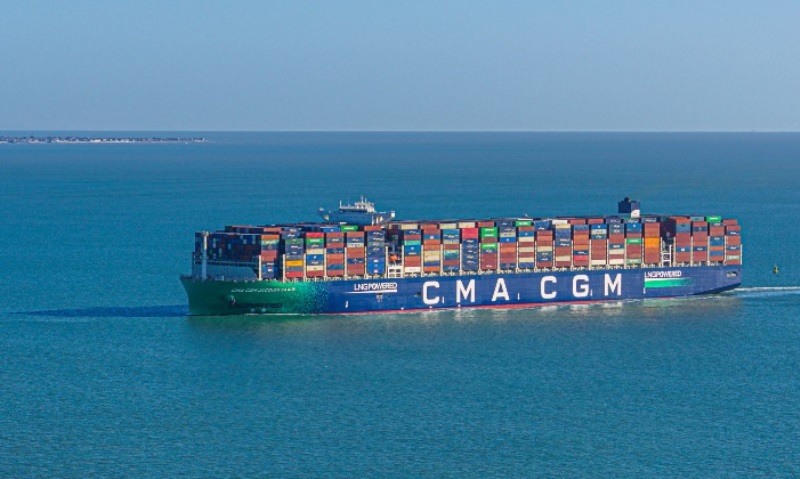
CMA CGM has revised its Peak Season Surcharge (PSS) applicable to shipments moving to Mauritius and key West African destinations, reflecting evolving demand conditions and operational costs on these trade lanes.
The updated surcharge will apply to various cargo categories and container types, with the adjustment aimed at aligning pricing with current market dynamics. The carrier cited factors such as seasonal demand fluctuations, equipment imbalances, and ongoing network disruptions as reasons behind the revision.
Industry participants note that the Mauritius and West Africa corridors often experience capacity constraints during peak shipping periods, prompting carriers to implement or adjust surcharges to manage demand and maintain service levels.
Shippers and freight forwarders operating on these routes are expected to factor in the revised PSS while planning shipments, as it may impact overall transportation costs. Some may explore alternative routing or scheduling strategies to mitigate the financial impact.
The move comes amid a broader trend of carriers fine-tuning pricing mechanisms in response to shifting trade patterns and supply chain uncertainties. Surcharges such as PSS remain a key tool for balancing demand and capacity in volatile market conditions.
Market observers will be closely watching how the revised surcharge affects cargo flows and whether other shipping lines follow with similar adjustments on African trade lanes.
As demand patterns continue to evolve, pricing strategies on these routes are expected to remain dynamic, influenced by seasonal trends, capacity deployment, and broader global shipping conditions.