
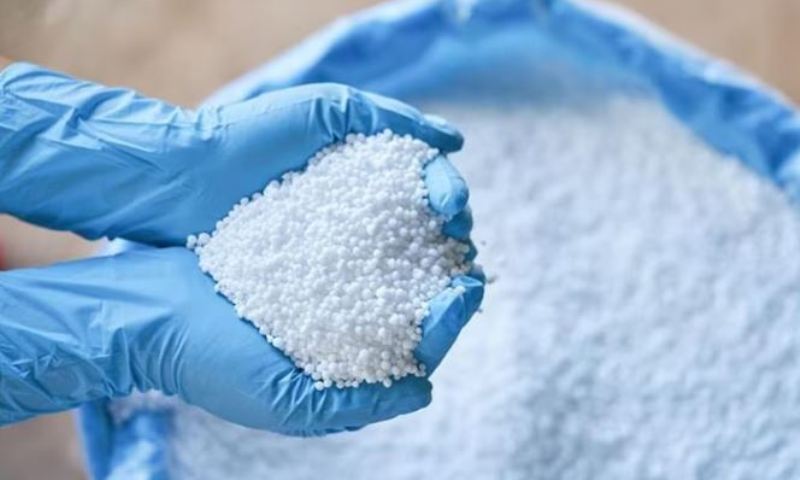
India is considering increasing urea imports beyond 17 lakh tonnes after a sharp decline in global tender prices created an opportunity to secure fertilizer supplies at significantly lower costs. The fall in international urea prices, which have dropped by more than 50% from recent peaks, is expected to reduce the government’s subsidy burden while ensuring adequate availability for the agricultural sector.
Industry sources indicate that lower prices have improved the economics of imports, prompting authorities to evaluate additional procurement to strengthen domestic inventories ahead of upcoming planting seasons. India, one of the world’s largest consumers of urea, relies on a combination of domestic production and imports to meet fertilizer demand.
The potential increase in imports comes as global fertilizer markets experience easing supply pressures and improved availability from key exporting regions. Market participants expect the move to support fertilizer distribution networks, stabilize supplies for farmers, and help maintain food production targets while taking advantage of favorable international pricing conditions.
Analysts note that expanding imports during a period of lower prices could provide India with greater flexibility in managing fertilizer requirements and cushioning the impact of future market volatility. The development is being closely watched by fertilizer producers, traders, and agricultural stakeholders as procurement plans for the coming months take shape.