
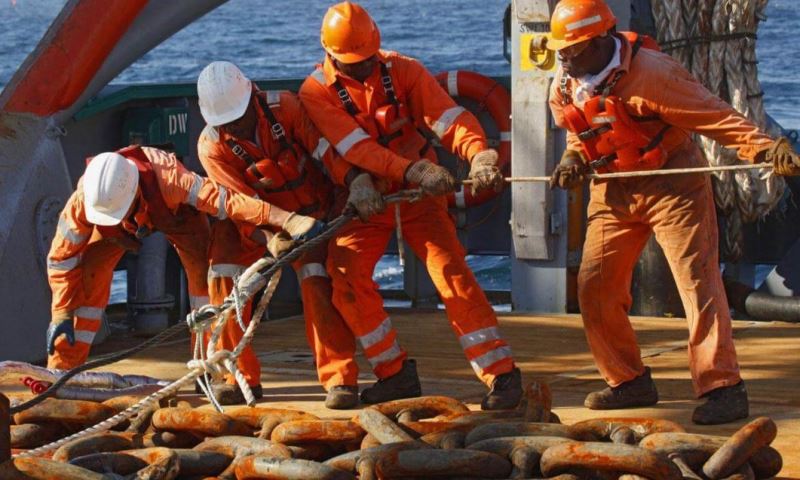
The Government of India has advised shipowners and maritime employers to refrain from deploying Indian seafarers on vessels operating through the Strait of Hormuz, citing heightened security concerns and the need to safeguard the lives of crew members amid the volatile situation in the region.
The advisory comes as tensions in West Asia continue to pose risks to commercial shipping, with the Strait of Hormuz remaining one of the world’s most strategically important maritime chokepoints. The narrow waterway handles a significant share of global crude oil, liquefied natural gas (LNG), and container traffic, making it particularly vulnerable to geopolitical disruptions and security incidents.
According to the government’s directive, shipping companies have been urged to avoid assigning Indian crew to voyages that require transiting the Strait of Hormuz until the security situation improves. Shipowners have also been asked to closely monitor official maritime security advisories, reassess voyage plans, and ensure comprehensive risk assessments before deploying vessels in the region.
The advisory underscores the government’s emphasis on protecting Indian seafarers, who constitute one of the largest maritime workforces globally and serve aboard thousands of merchant vessels across international trade routes. Authorities have urged companies to maintain close communication with crew members, provide regular updates on evolving security conditions, and ensure that emergency response procedures are in place.
Maritime industry experts note that prolonged disruptions in the Strait of Hormuz could have significant implications for global shipping and energy markets. Any reduction in vessel movements through the waterway may lead to longer sailing distances, increased fuel consumption, higher insurance premiums, and additional operating costs, which could eventually translate into higher freight rates and supply chain delays.
The latest advisory also highlights the importance of adhering to international best practices for maritime security. Ship operators are expected to remain vigilant, coordinate with naval authorities and maritime security agencies where necessary, and implement enhanced safety measures to mitigate risks while navigating sensitive waters.
Industry stakeholders will continue to monitor developments in the region closely, as any escalation could further impact global trade flows, tanker operations, and container shipping services connecting Asia, Europe, and the Middle East. The government’s precautionary stance reflects its commitment to ensuring the safety and welfare of Indian seafarers while supporting secure and uninterrupted maritime operations wherever possible.