
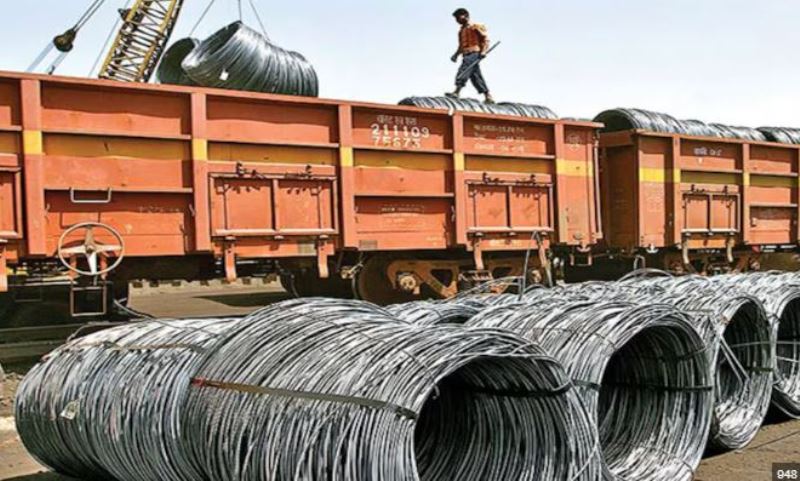
Indian Railways recorded freight loading of 141.3 million tonnes (MT) in July, reflecting continued growth in cargo movement and underscoring the rail network’s expanding role in supporting India’s industrial production, trade, and logistics sector.
The strong performance was driven by higher transportation of key commodities, including coal, iron ore, cement, steel, foodgrains, fertilizers, petroleum products, and containers. Sustained demand from power plants, manufacturing industries, and infrastructure projects contributed to the increase in freight volumes during the month.
Railway officials attributed the growth to ongoing investments in capacity expansion, improved operational efficiency, and the implementation of customer-focused freight initiatives. Upgrades to rail infrastructure, dedicated freight corridors, enhanced terminal facilities, and digital freight management systems have enabled faster cargo movement and improved service reliability.
Container traffic also remained robust as businesses increasingly relied on rail for long-distance transportation to reduce logistics costs and improve supply chain efficiency. Better multimodal connectivity with ports, inland container depots (ICDs), and logistics parks has further strengthened rail’s position in the country’s freight ecosystem.
The continued growth in freight loading supports the government’s objective of increasing rail’s share in India’s freight transport mix while reducing road congestion, lowering fuel consumption, and cutting carbon emissions. Indian Railways has been expanding its freight offerings through initiatives such as the Gati Shakti Cargo Terminals, private freight terminals, and integrated logistics solutions.
Industry analysts believe the strong July performance reflects resilient economic activity and rising demand for efficient cargo transportation. With continued infrastructure investments and the gradual commissioning of Dedicated Freight Corridors, Indian Railways is expected to further enhance freight capacity, improve transit times, and play an increasingly important role in supporting India’s trade and economic growth.