
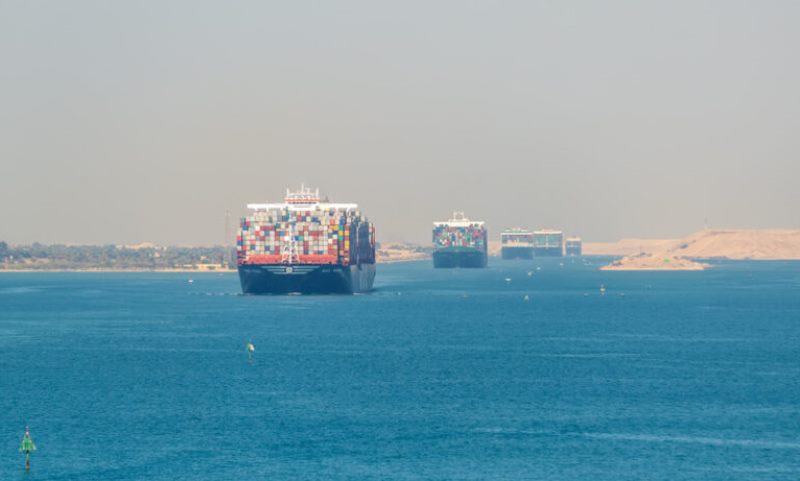
Iran has received its first reported revenue from tolls imposed on vessels transiting the Strait of Hormuz, according to a senior parliamentary official, marking a significant escalation in Tehran’s effort to monetize one of the world’s most critical maritime chokepoints.
Deputy Parliament Speaker Hamidreza Haji Babaei said the initial proceeds had been deposited into the Central Bank account, though no figures or details on the number of vessels charged were disclosed. Iranian media reports suggested the toll system was introduced amid the ongoing regional conflict involving the United States and Israel.
The Strait of Hormuz normally handles around a fifth of global oil and gas flows, making any restrictions or added costs a major concern for energy markets and global shipping. Maritime traffic through the route has already slowed sharply in recent weeks due to heightened security risks and naval tensions.
The move is likely to face international legal scrutiny, as many countries consider transit through strategic straits to be protected under customary maritime norms. Shipping companies, insurers and governments are closely monitoring whether the tolls become a longer-term fixture or part of broader geopolitical bargaining.