
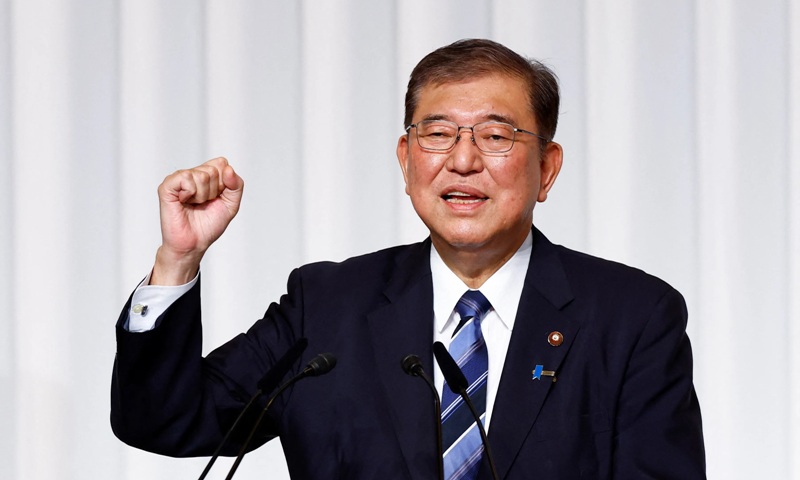
Prime Minister Shigeru Ishiba will propose an initiative for economic integration and development from the Indian Ocean to Africa at the Ninth Tokyo International Conference on African Development (TICAD 9).
His announcement of the plan will come on Aug. 20, the start of the three-day conference in Yokohama.
According to government officials, the new framework will facilitate trade and investment for Japanese companies operating in Africa.
With a growing number of Japanese businesses exporting goods to Africa from production hubs in India and the Middle East, the initiative will include a forum to promote third-country logistics models.
To support this effort, Japan plans to strengthen logistics networks connecting Africa to the broader region through its Official Development Assistance programs.
At TICAD 9, Ishiba will also announce a new joint task force involving industry, academia and government to explore ways to strengthen Japan-Africa economic partnerships.
This move comes amid Japan’s efforts to promote its Free and Open Indo-Pacific vision, a slogan advocating stability and prosperity across the region, with an implicit counter to China’s growing presence.
With Beijing expanding its influence across Africa, Japan sees TICAD 9 as a key opportunity to strengthen ties with the continent and the broader Global South.
TICAD, co-organized by the Japanese government and international bodies, including the African Union Commission and the United Nations, has been a cornerstone of Japan’s Africa policy since its establishment in 1993.