
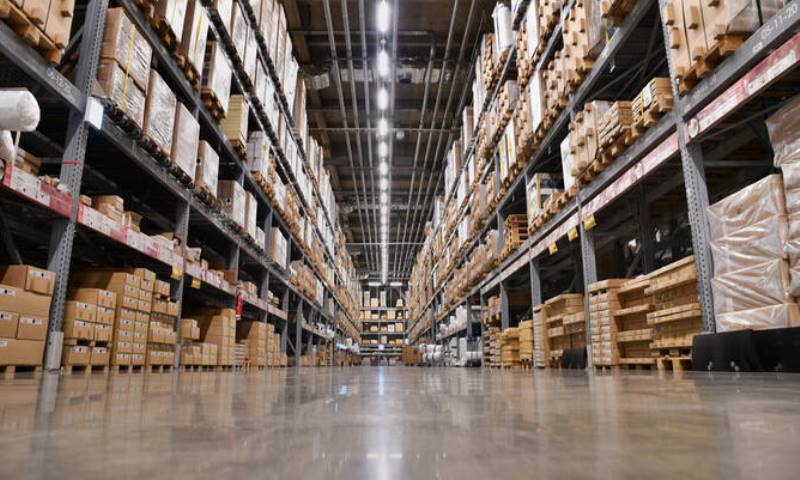
Kolkata’s industrial and warehousing real estate market has crossed the 24 million sq ft mark, highlighting the city’s growing importance as a logistics and distribution hub in eastern India.
The expansion is being supported by rising demand from third-party logistics (3PL) providers, e-commerce companies, manufacturers and other supply-chain-intensive businesses. Improved road connectivity, access to major consumption centres and the city’s strategic position as a gateway to eastern and northeastern India are also supporting the development of logistics infrastructure.
The broader Indian industrial and logistics sector has maintained strong momentum. CBRE reported that warehousing absorption exceeded 30 million sq ft across India during the second half of 2025, with 3PL and engineering and manufacturing companies among the key demand drivers.
Kolkata itself recorded 3.8 million sq ft of industrial and logistics leasing during the first nine months of 2025, according to CBRE, placing it among the major markets contributing to national leasing activity.
The growth of Kolkata’s industrial and warehousing stock is expected to strengthen its role in regional distribution, supporting faster movement of goods across West Bengal and neighbouring eastern and northeastern markets. Continued investment in modern warehousing facilities could further improve supply-chain efficiency and attract new logistics and manufacturing activity to the region.