
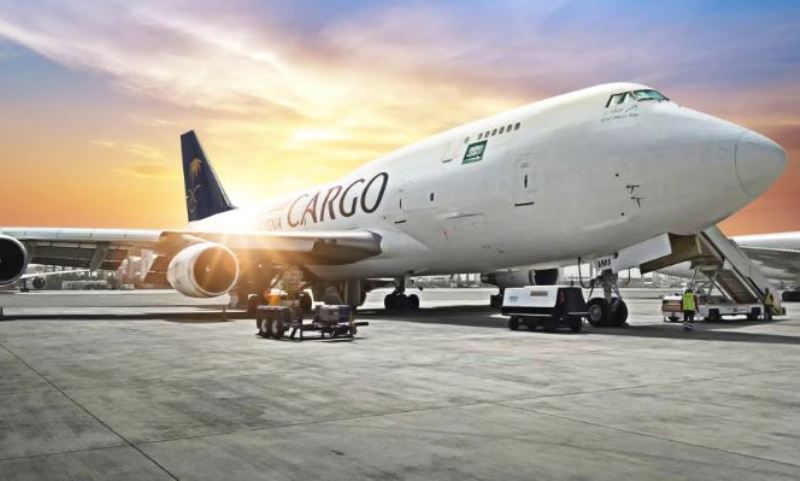
Disruptions affecting Saudi Arabia are putting pressure on air cargo capacity as the industry approaches its peak shipping season, raising concerns over freight availability, transit times and transportation costs.
The disruption comes at a critical time for global air freight, when demand typically increases ahead of major retail events and year-end holidays. Any constraints affecting regional aviation operations or cargo connections could make it more difficult for shippers to secure space, particularly on routes linked to the Middle East.
Saudi Arabia plays an important role in regional air cargo and logistics networks, connecting trade flows between Asia, Europe, Africa and other markets. Disruptions in the country can affect airline schedules, cargo handling and onward connections, potentially forcing freight forwarders to explore alternative routes and capacity options.
As peak season approaches, exporters and logistics providers may face greater competition for available cargo space. Longer routing, schedule changes and capacity imbalances could also put upward pressure on air freight rates, depending on the duration and severity of the disruption.
Airlines and freight forwarders are likely to monitor developments closely and adjust capacity allocation and shipment planning to minimise delays. Shippers may also need to book space earlier, maintain flexible routing options and allow additional time for time-sensitive consignments.
The situation highlights the vulnerability of global air cargo networks to regional disruptions at periods of heightened demand. The extent of the impact on freight rates and capacity will depend on how quickly operations stabilise and how effectively carriers can accommodate shipments as the peak season gathers momentum.