
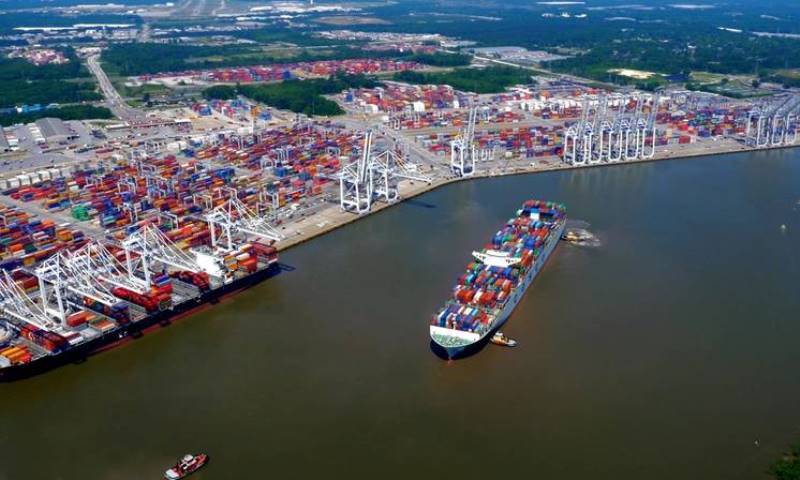
The Port of Savannah recorded its second-busiest year on record in 2025, underscoring resilient cargo demand and steady recovery in US trade flows despite ongoing global supply-chain challenges.
Port officials said strong performances in containerised cargo, particularly in consumer goods, automotive and manufacturing-linked shipments, supported high throughput during the year. While volumes eased from the record peak seen earlier, 2025 activity remained well above historical averages.
The Georgia Ports Authority attributed the strong showing to operational efficiency, expanded capacity and improved vessel turnaround times, which helped the port maintain service reliability amid shifting trade patterns and carrier network adjustments.
Investments in terminal infrastructure, yard optimisation and hinterland connectivity also played a key role in handling higher cargo volumes. Officials noted that continued collaboration with shipping lines, rail operators and trucking partners helped manage seasonal surges and mitigate congestion risks.
Industry analysts said Savannah’s performance reflects its growing role as a key US East Coast gateway, benefiting from population growth in the Southeast, strong distribution and warehousing demand, and diversification of supply chains.
Looking ahead, port authorities said they remain focused on capacity expansion, digitalisation and sustainability initiatives to support long-term growth and retain competitiveness as cargo volumes evolve.