
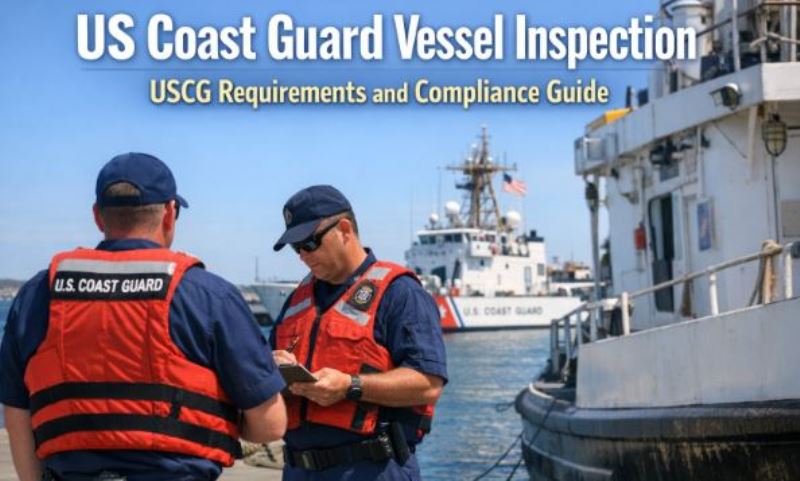
The United States Coast Guard has issued 20 recommendations aimed at improving safety and security at US ports, highlighting the need for stronger maritime infrastructure and more effective safety practices.
The recommendations come as ports face growing operational demands and evolving risks to maritime transportation. The measures are expected to support efforts to strengthen port safety and improve resilience across the US maritime sector.
Focus on Port Safety
The recommendations are intended to address key aspects of port safety, including operational procedures, infrastructure and emergency preparedness.
Improving safety standards at ports is essential for protecting workers, vessels and cargo while ensuring the smooth movement of goods through critical maritime gateways.
Strengthening Maritime Operations
US ports play a vital role in the country’s supply chain, handling large volumes of imported and exported cargo. Safety improvements can help reduce operational risks and support more reliable port performance.
The Coast Guard’s recommendations underline the importance of continued investment in port infrastructure, safety systems and coordinated emergency response.
The latest initiative is expected to contribute to ongoing efforts to strengthen the safety and resilience of the US maritime transportation network.