
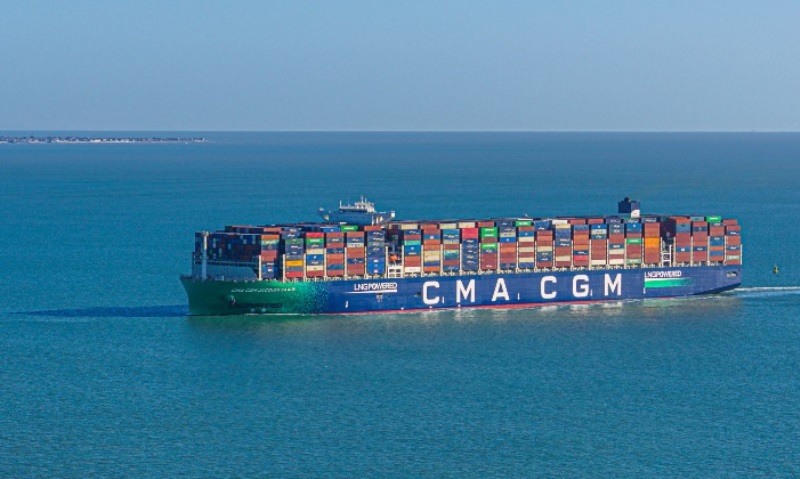
CMA CGM CGM Group has signed a landmark Green Methanol Long-Term Supply Cooperation Agreement with SIPG Energy and Shanghai Electric Group on March 20, 2025. This strategic partnership marks a major step toward building a sustainable green methanol supply chain and accelerating the energy transition in global shipping.
Key Highlights of the Agreement:
Green Methanol Supply: Shanghai Electric Group will provide mid-to-long-term green methanol fuel for CMA CGM.
Sustainable Logistics: SIPG Energy will facilitate the transportation of green methanol from its production base in Taonan to Shanghai Yangshan Port, the world’s largest container port.
Accelerating Decarbonization: This partnership will help establish Shanghai as a regional green methanol bunkering hub, reinforcing its role as a leader in sustainable maritime trade.
CMA CGM committed to achieving Net Zero-Carbon by 2050, and this collaboration is a significant milestone in our journey toward a greener future. Just last month, the first dual-fuel methanol-powered vessel , CMA CGM IRON, with a capacity of 13,000 TEUs, set sail – the first of 12 new dual-fuel methanol vessels planned for our fleet.
Farid Trad, VP of Bunkering & Energy Transition, CMA CGM Group, commented: “At CMA CGM, we take a proactive approach to tackling clean fuel challenges. Our partnership with SIPG and Shanghai Electric Group strengthens our commitment to energy transition and represents another major step toward our Net Zero-Carbon ambition for 2050.”